
Slovenia Tofu Manufacturer Case Study: Improving Tofu Yield and Reducing Operating Costs with YSL Tofu Equipment | Yung Soon Lih Food Machine News and Events | Yung Soon Lih Food Machine Co., Ltd.
Yung Soon Lih Food Machine Slovenia Tofu Manufacturer Case Study: Improving Tofu Yield and Reducing Operating Costs with YSL Tofu Equipment. EVERSOON, a brand of Yung Soon Lih Food Machine Co., Ltd., is a leader of Soy Milk and Tofu Machines. Being a guardian of food safety, we share our core technology and professional experience of Tofu production to our worldwide customers. Let us be your important and powerful partner to witness your business growth and success.. We are the first food machine manufacturer whom developed the European Tofu turn-key production line, which can produce Asian Tofu, and Soy Milk processing equipment. Our tofu production machines are specially design and able to produce Tofu Burger, Vegetable Tofu, Smoked Tofu, Tofu Sausage to satisfy consumers' demand from the American and European market.
Slovenia Tofu Manufacturer Case Study: Improving Tofu Yield and Reducing Operating Costs with YSL Tofu Equipment
Slovenia Tofu Manufacturer Case Study: Improving Tofu Yield and Reducing Operating Costs with YSL Tofu Equipment
For tofu manufacturers, equipment selection directly affects production yield, energy consumption, maintenance cost, and long-term profitability. This was the challenge faced by a tofu manufacturer in Slovenia.
For many years, the customer had been using Japanese tofu equipment. In the food processing industry, Japanese machinery is often considered a familiar and dependable option. However, as the customer’s production scale continued to grow, one operational issue became increasingly difficult to ignore: the tofu yield was lower than expected.
For every kilogram of soybeans used in production, the amount of finished tofu was not reaching the level the factory needed. This directly affected raw material efficiency, production cost per unit, and overall profit margin. As soybean cost continued to be an important factor in daily production, improving tofu yield became a key priority for the manufacturer.
After discussing their production challenges with Yung Soon Lih Food Machine, the customer began evaluating whether a different tofu production system could improve their manufacturing efficiency. After reviewing YSL’s tofu equipment design, production process, and system configuration, they decided to replace their existing Japanese equipment setup with a YSL tofu production line.
The decision created three major operational improvements: higher tofu yield, a simplified production process, and lower annual operating costs.
Tofu Yield Increased to a 1.9–2.0 Times Yield Ratio
After switching to YSL tofu equipment, the customer’s tofu yield increased to a 1.9–2.0 times yield ratio per kilogram of soybeans. In practical production terms, this means that 1 kilogram of soybeans can produce approximately 1.9–2.0 kilograms of tofu, depending on product type, water content, formulation, and production conditions.
For tofu manufacturers, yield is not just a technical figure. It is one of the most important cost-control indicators in the entire production line. When the same amount of soybeans produces more finished tofu, the factory can improve raw material utilization and reduce production cost per unit.
This improvement gave the Slovenian customer better control over daily production efficiency. Instead of accepting low yield as a fixed limitation, the customer was able to improve the relationship between soybean input and finished tofu output through a more suitable production system.
For buyers evaluating tofu production line investment, this is a critical point. The purchase price of equipment is only one part of the total cost. Tofu yield affects cost every day, every batch, and every production cycle.
From Cooked Pulp to Raw Pulp Processing: A More Efficient Tofu Production System
Before working with YSL, the customer used a cooked pulp process. In this type of tofu production method, the process structure usually requires more downstream equipment to complete the full production flow.
After evaluating the customer’s production needs, YSL recommended switching to a raw pulp system. In the raw pulp process, soybeans are first ground and filtered, and the soymilk is then cooked directly. Compared with the cooked pulp system, this process can simplify the equipment structure and reduce the number of machines required in the production line.
For the Slovenian customer, this change created a more compact and easier-to-manage production system. With fewer machines involved, the factory could reduce equipment complexity, simplify maintenance planning, and improve overall production flow.
The most important point was that the final tofu quality and texture did not show a significant difference from the consumer’s point of view. This allowed the customer to improve production efficiency without creating a major change in product acceptance.
For tofu manufacturers in Europe, this matters because equipment layout, labor availability, energy cost, and maintenance planning all affect daily factory operation. A simplified tofu production system can reduce operational pressure while supporting stable output.
Energy and Maintenance Costs Reduced by 30–35%
By reducing the number of machines required in the production line, the customer also achieved measurable long-term cost savings.
The first benefit was lower energy consumption. Fewer machines meant reduced power usage during production. For a tofu factory operating continuously, even small reductions in daily energy use can accumulate into meaningful annual savings.
The second benefit was lower maintenance cost. With fewer machines requiring regular inspection, cleaning, spare parts, and preventive maintenance, the customer reduced annual maintenance expenses by approximately 30–35%, with the potential for even higher savings depending on operating conditions.
For food manufacturers, this type of cost reduction is especially important because it is not a one-time benefit. Energy and maintenance costs occur every year. When the equipment structure becomes simpler and easier to maintain, the savings continue throughout the equipment’s operating life.
This is why production system design matters. A tofu production line should not only be evaluated by output capacity. It should also be evaluated by how much energy it consumes, how many machines need maintenance, how easy it is for operators to manage, and how stable the system remains during daily production.
Results Summary: Three Operational Improvements After Switching to YSL
Operational Area | Previous Setup | After Switching to YSL |
|---|---|---|
| Tofu yield | Lower than expected | Increased to a 1.9–2.0 times yield ratio per kilogram of soybeans |
| Production process | Cooked pulp process | Raw pulp system |
| Equipment structure | Multiple downstream machines required | Simplified production line with fewer machines |
| Energy consumption | Higher due to more equipment | Reduced through a more compact system |
| Maintenance cost | Higher annual maintenance requirements | Reduced by approximately 30–35% |
| Business impact | Higher operating pressure | Better raw material efficiency and lower recurring cost |
Why This Case Matters for Tofu Manufacturers
This Slovenia case shows that replacing tofu equipment is not only a machinery decision. It is a production strategy decision.
For tofu manufacturers, a suitable production system can affect soybean utilization, tofu yield, energy consumption, maintenance cost, labor arrangement, equipment layout, and long-term profitability. When production yield is low, the issue may not only come from raw materials or operator skill. It may also be related to process design and equipment configuration.
Many buyers compare tofu machines mainly by purchase price. However, for a commercial tofu factory, the more important question is how the production line performs over time. A lower initial equipment cost may not create real savings if the factory continues to face low yield, high energy usage, complex maintenance, and unstable production efficiency.
In this case, the customer’s decision to move from Japanese tofu equipment to YSL created measurable improvements in three areas: tofu yield, equipment structure, and operating cost. These are the areas that directly affect factory performance and long-term competitiveness.
YSL Tofu Equipment for Commercial Tofu Production
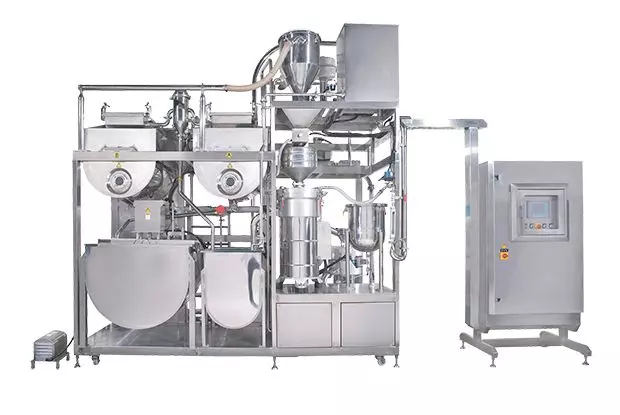
Yung Soon Lih Food Machine is a Taiwan-based manufacturer specializing in tofu, soymilk, and soybean processing equipment. YSL supports customers with tofu production line planning, soybean grinding and separating systems, soymilk cooking systems, tofu forming and pressing equipment, raw pulp and cooked pulp process evaluation, yield optimization, and complete tofu production line integration.
For manufacturers producing tofu at commercial scale, YSL helps evaluate not only machine capacity, but also production efficiency, process structure, factory layout, sanitation planning, labor requirements, and long-term operating cost.
If your factory is facing low tofu yield, high energy consumption, complex equipment structure, or rising maintenance costs, YSL can help review whether a different tofu production system may improve your production line.
Contact Yung Soon Lih Food Machine to discuss how YSL tofu equipment can support your tofu production line, improve yield, and reduce long-term operating costs.
Hot articles
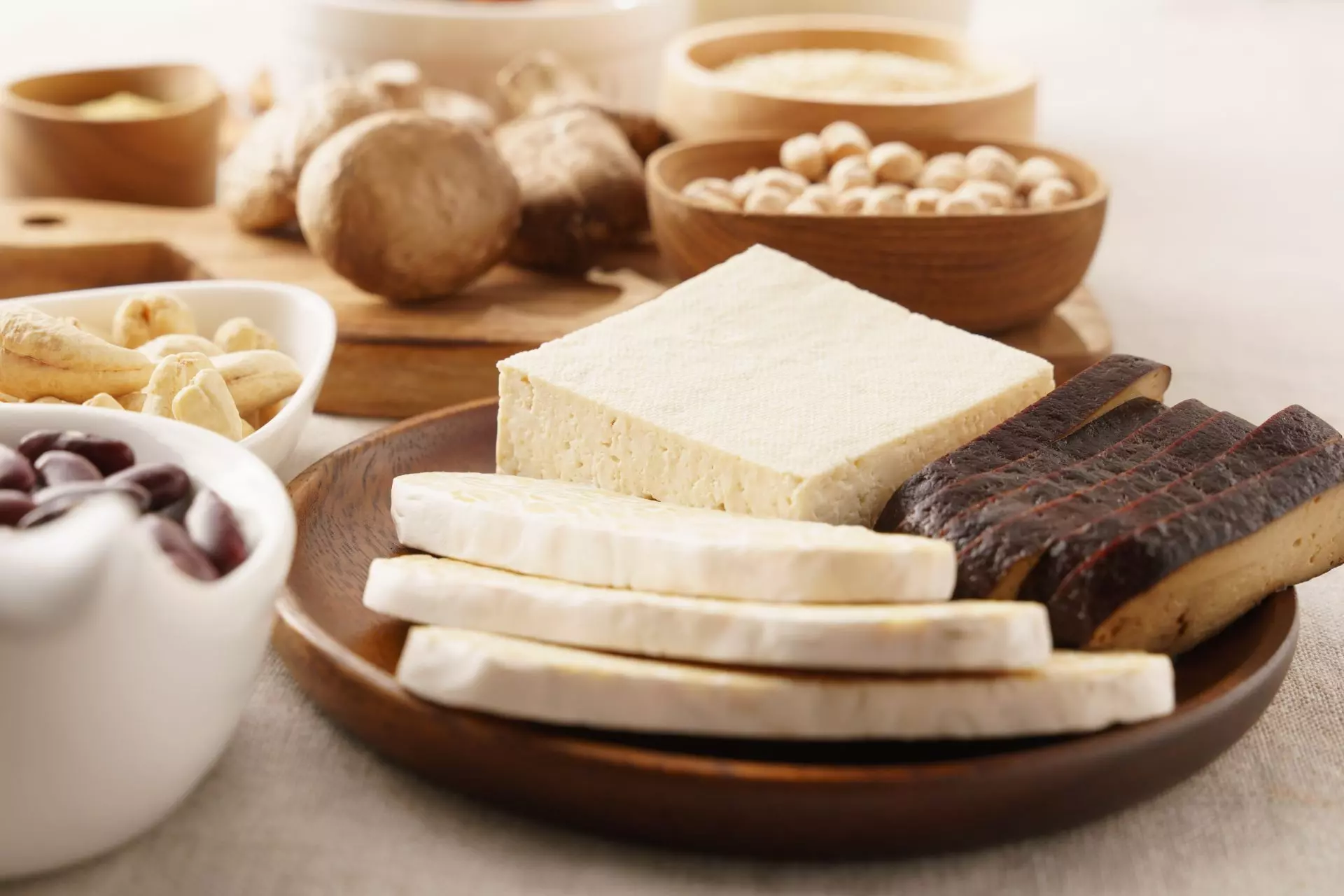
2020-2024 Health benefits of tofu will increase market demand
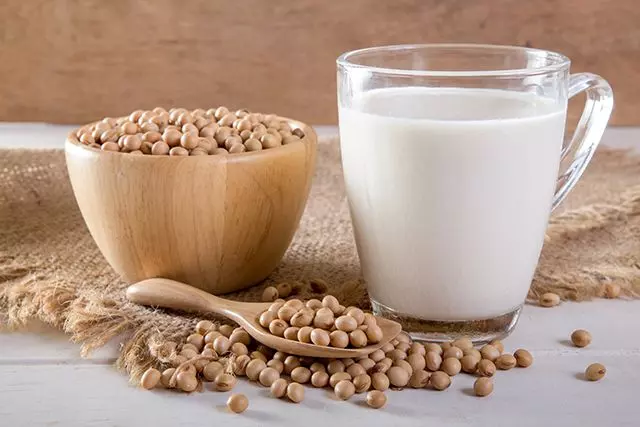
When is the best time to drink soy milk? 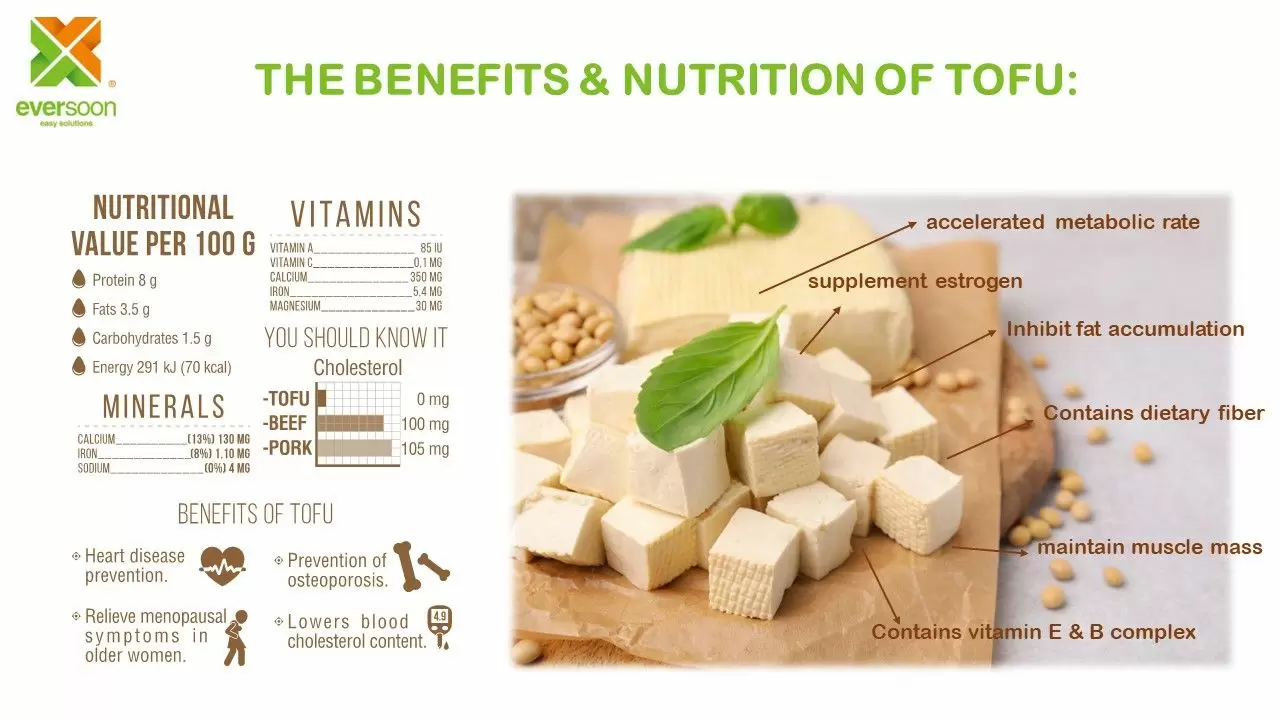
Benefits And Nutrition Of Tofu
Canada Food Guide Changes: More Veg, Less Meat, And No More Eating Alone
- Related Products

Automatic Tofu Cutting Equipment
Tofu Automatic Cutting Machine adopts three sections to detect the whole slab of tofu which is automatically introduced, the first section detects and cuts...
Details Add to cart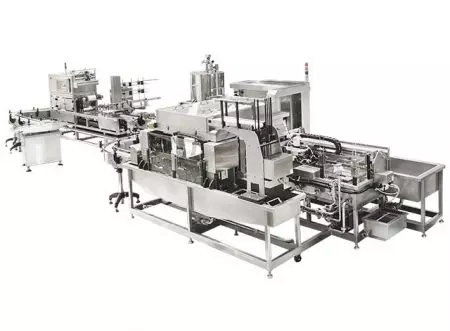
Automatic Cutting Equipment for Tofu in Water
After the operator pushes the unmolded tofu plate into the automatic cutting machine in tofu water, the machine is equipped with a conveyor belt that automatically...
Details Add to cart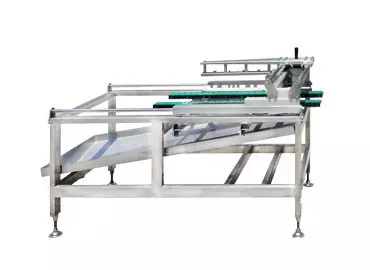
Tofu Manual Cutting Equipment
In the early days, tofu manufacturers or tofu workshops used to cut tofu with a kitchen knife, which not only tested the master's knife skills over the years,...
Details Add to cart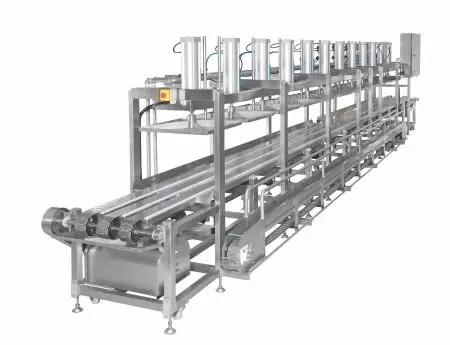
Continuous Tofu Pressing Machine
After the tofu molds are stacked and transported to the tofu press station, the conveyor belt of the tofu press is synchronized and the tofu molds are automatically...
Details Add to cart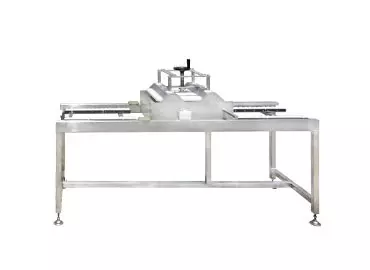
Tofu Mold Turning Machine
Pressed tofu mold can only be cut after removing the mold and cloth. The machine is manually operated, it is using the principle of lever to reduce the weight...
Details Add to cart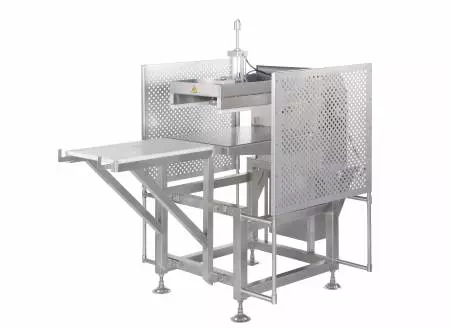
semi Auto.Tofu Mold Turning Machine
Pressed tofu mold can only be cut after removing the mold and cloth. The operator pushes the tofu mold into the tofu mold turning box to the end, presses...
Details Add to cart
 Download
 Slovenia Tofu Manufacturer Case Study: Improving Tofu Yield and Reducing Operating Costs with YSL Tofu Equipment | CE Certified Tofu Product Line, Soybean Soak & Wash Tank, Grinding & Cooking Machine Manufacturer | Yung Soon Lih Food Machine Co., Ltd.
Based in Taiwan since 1989, Yung Soon Lih Food Machine Co., Ltd. has been a food manufacturing machine manufacturer that is specilized in soy bean, soy milk and tofu making sectors. Unique design soy milk and tofu production lines built with ISO and CE certifications, sold in 40 countries with solid reputation.
Yung Soon Lih has more than 30 years of food machinery manufacturing and technical experience, professional production: Tofu Machine, Soy Milk Machine, Alfalfa Sprouts Germination Equipment, Grinding Machine, etc.