
The Next Decade of the Global Tofu Market: Why Now, and Why the Right Partner Matters | Yung Soon Lih Food Machine News and Events | Yung Soon Lih Food Machine Co., Ltd.
Yung Soon Lih Food Machine The Next Decade of the Global Tofu Market: Why Now, and Why the Right Partner Matters. EVERSOON, a brand of Yung Soon Lih Food Machine Co., Ltd., is a leader of Soy Milk and Tofu Machines. Being a guardian of food safety, we share our core technology and professional experience of Tofu production to our worldwide customers. Let us be your important and powerful partner to witness your business growth and success.. We are the first food machine manufacturer whom developed the European Tofu turn-key production line, which can produce Asian Tofu, and Soy Milk processing equipment. Our tofu production machines are specially design and able to produce Tofu Burger, Vegetable Tofu, Smoked Tofu, Tofu Sausage to satisfy consumers' demand from the American and European market.
The Next Decade of the Global Tofu Market: Why Now, and Why the Right Partner Matters
From Equipment Supplier to Technology Partner: How YSL Helps Customers Build Successful Tofu Businesses
Tofu has always been more than a food product in Asia. It is part of daily life, appearing on family tables across age groups, income levels, religions, and dietary preferences. Few foods can cross so many cultural and demographic boundaries as naturally as tofu. Today, this same story is beginning to repeat on a global scale.
Over the past decade, tofu has moved far beyond Asian grocery stores and vegetarian restaurants. In markets such as the United States, Germany, Canada, the Netherlands, Switzerland, Austria, France, the United Kingdom, and the Nordic countries, tofu is becoming part of the mainstream protein conversation. Consumers are looking for high-protein foods, clean-label products, natural ingredients, low-carbon food options, and sustainable sources of nutrition. Tofu fits these demands not as a trend product, but as a proven food with strong potential for long-term growth.
This is why the next ten years matter. The opportunity is no longer only about selling tofu as a traditional Asian product. It is about building a flexible plant-based protein platform that can serve different consumer groups, retail channels, and product categories. For food manufacturers, plant-based brands, and entrepreneurs, the question is no longer whether tofu has market potential. The more important question is whether they can build the right production foundation before the market becomes more competitive.
Tofu Is Becoming a Product Platform, Not Just a Single Product
In global food markets, tofu is gradually entering mainstream supermarkets, retail chains, ready-to-eat meals, fitness and high-protein food segments, school meal programs, and convenience food channels. This shift creates a new business opportunity for manufacturers. Tofu is not limited to one product format. With the right production process and recipe control, one production system can support multiple product directions.
A tofu production line can be used to produce soft tofu, firm tofu, extra firm tofu, smoked tofu, marinated tofu, organic tofu, high-protein tofu, vegetable tofu, low-sodium tofu, and other customized products. This gives manufacturers more flexibility when responding to changes in consumer demand. A factory that can only produce one product may face higher market risk. A factory that can develop multiple tofu products from the same production base has more room to adjust its product mix, pricing strategy, and retail positioning.
For this reason, the successful tofu factory of the next decade will not simply be a factory that produces tofu. It will be a platform factory with product development capability, recipe flexibility, production stability, and the ability to scale according to market demand.
One Production Line, Multiple Product Possibilities
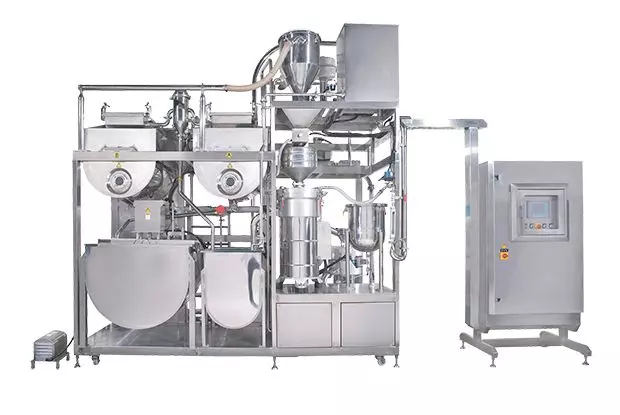
This flexibility is one of the reasons many global customers choose Yung Soon Lih Food Machine, also known as YSL. With double cold grinding extraction technology, automated coagulation control, adjustable pressing systems, and recipe management support, customers can produce different tofu products on the same production line without investing in a completely new system each time.
For example, a manufacturer may produce firm tofu in the morning, smoked tofu in the afternoon, and extra firm tofu in the evening. The product texture, moisture level, yield, and final weight can be adjusted through recipe design and production control. This helps reduce investment risk because the customer is not locked into only one product type.
For a new tofu business, this matters because the first product is rarely the final product. Local markets may respond better to firm tofu, smoked tofu, high-protein tofu, or marinated tofu depending on consumer habits and retail channels. A flexible production line gives the manufacturer the ability to test, adjust, and expand without rebuilding the factory from the beginning.
Equipment Alone Is Not Enough to Build a Successful Tofu Business
Many companies believe that buying tofu equipment is the same as being ready to produce tofu. In reality, equipment is only the first step. The real success factors are product quality, production yield, tofu texture, protein content, production cost, shelf-life stability, and the ability to make consistent products every day.
This is where YSL is different from a general equipment supplier. YSL does not only provide machines. YSL provides a complete tofu production knowledge system, including equipment, technology transfer, recipe development, production training, yield optimization, and product development support. For customers entering the tofu industry for the first time, this reduces the risk of trial and error. For experienced manufacturers expanding production, it helps improve efficiency, consistency, and commercial readiness.
A tofu business requires more than mechanical operation. It requires understanding how soybeans behave, how soymilk concentration affects texture, how coagulants create different structures, how pressing controls moisture, and how each step affects final yield. When these factors are not managed correctly, even an advanced machine cannot produce a stable commercial product.
Technology Transfer Starts with Soybean Selection
Soybean selection is one of the first technical decisions in tofu production. Many people assume that high-protein soybeans always produce better tofu, but the reality is more complex. Soybean quality involves protein content, oil content, moisture level, PDI, freshness, and the balance of 11S and 7S protein fractions.
Two soybeans may both have 42% protein, but they may produce very different tofu results. One may create stronger gel structure and better water retention, while another may produce a softer and smoother texture. This is why soybean selection must be connected to the final product target. A soybean suitable for extra firm tofu may not be the best choice for silken tofu or soft tofu.
YSL helps customers evaluate soybeans based on their product goals, local sourcing conditions, and market positioning. This is especially important for overseas customers because soybean varieties, harvest timing, storage conditions, and supply chain quality can vary widely by region. Choosing the right soybean from the beginning helps improve product stability and reduce production loss.
Understanding 11S and 7S Protein for Tofu Texture Control
One technical area that many equipment suppliers do not explain is the 11S and 7S protein ratio in soybeans. These two protein fractions play an important role in tofu texture and gel formation.
11S protein, also known as glycinin, contributes to stronger gel structure, better water retention, and firmer texture. It is usually more suitable for firm tofu, extra firm tofu, and smoked tofu. 7S protein, also known as beta-conglycinin, tends to create a softer and smoother texture, which can be more suitable for soft tofu and silken-style products.
This means that tofu quality is not determined by total protein percentage alone. The internal protein structure of the soybean also matters. For manufacturers planning to build a serious tofu business, understanding this difference can help reduce product inconsistency and improve recipe development.
Soy Milk Brix Management and Product Design
Soymilk concentration is another key control point in tofu production. Different tofu products require different soymilk Brix levels. Soft tofu may require a lower concentration, while extra firm tofu usually requires a higher concentration to achieve stronger texture and higher protein content.
For example, soft tofu may use a soymilk Brix range around 10 to 11, firm tofu may use 11 to 12, and extra firm tofu may use 12 to 13 depending on the recipe and product target. Smoked tofu may also require careful concentration control because moisture loss during smoking affects final weight and texture.
Brix management directly affects yield, protein content, mouthfeel, production cost, and return on investment. If soymilk is too weak, the tofu may lack structure and protein density. If it is too concentrated, the product may become too firm, costly, or difficult to process. YSL supports customers in designing Brix targets based on their product type, market price, package size, and expected yield.
Coagulant Selection Defines the Final Tofu Character
Coagulants are not simply ingredients added to make soymilk become tofu. They define texture, flavor, yield, and product identity. Different coagulants create different tofu characteristics, and choosing the right one depends on the target market and product style.
Nigari, or magnesium chloride, is often associated with richer soybean flavor and a more traditional taste profile. It is commonly used in Japanese-style tofu products. Calcium sulfate can support higher yield and stable texture, making it common in many commercial tofu applications. GDL is often used for silken tofu because it creates a smooth and delicate structure.
YSL helps customers develop coagulant formulas, addition ratios, mixing methods, and coagulation control. This is important because small changes in coagulant dosage or process timing can create major differences in tofu texture. For commercial production, the goal is not only to make tofu once. The goal is to produce the same tofu consistently, batch after batch.
Yield Management Is a Business Decision
Yield is one of the most important business indicators in tofu production. In simple terms, yield means how many kilograms of tofu can be produced from one kilogram of soybeans. A yield of 2.0 means that one kilogram of soybeans produces around two kilograms of tofu. However, the correct yield target depends on the product type.
Extra firm tofu usually has a lower yield because it contains less water and requires more pressing. Firm tofu may have a moderate yield. Smoked tofu may need additional planning because the smoking process can reduce moisture and affect final weight. This means that yield must be designed together with protein content, moisture level, product weight, and retail positioning.
A high yield is not always better if the final product becomes too soft, unstable, or low in protein. A lower yield may be acceptable if the product can command a higher market price. YSL works with customers to design yield targets that match both product quality and business strategy.
The Value of Double Cold Grinding Extraction
YSL uses a double cold grinding extraction system. The key difference from a traditional hot grinding process is that okara is separated before heating. This means the system heats soymilk instead of heating a mixture of soymilk and okara.
This process design can help reduce steam energy usage because the production line does not need to heat unnecessary solid material. It can also support better protein recovery, improved soymilk extraction, and more stable production performance. For commercial tofu factories, this affects not only product quality but also long-term operating cost.
Energy savings matter because tofu production is not a one-time investment. A factory operates every day, and steam consumption, water use, labor efficiency, and yield all influence profitability. A production system that reduces waste and improves extraction efficiency can create measurable value over the life of the equipment.
FAT with Real Soybeans, Real Tofu, and Real Production Data
For YSL, FAT is not only a mechanical test. Many equipment suppliers use FAT to check motors, sensors, PLC systems, and basic machine movement. These checks are necessary, but they do not prove that the line can produce commercial tofu.
YSL’s FAT is different because it includes real soybean processing and actual tofu production. Before shipment, key process stages are tested, including soybean handling, soymilk extraction, coagulation, pressing, cutting, and capacity verification. Customers can review tofu texture, yield, protein content, production performance, and other product-related indicators before the equipment leaves Taiwan.
This approach reduces uncertainty during installation and commissioning at the customer’s site. Instead of discovering major production issues after the equipment arrives, YSL works to identify and solve critical process questions before shipment. For customers, this can shorten the time needed to reach commercial production and reduce the cost of on-site troubleshooting.
YSL believes that the value of equipment is not proven when the machine is shipped. It is proven when the customer can produce tofu successfully. This is why YSL invests time and resources into assembly, testing, and real production validation before delivery. The purpose is to keep production risk inside YSL’s own factory, not transfer it to the customer’s factory.
On-Site Training from the First Soybean to the First Packaged Tofu
After installation, YSL engineers provide on-site training to help the customer’s team understand the full production process. This includes soybean handling, grinding and extraction, soymilk concentration control, coagulation, pressing, yield management, quality control, and new product development.
The goal is not only to teach the customer how to operate the machine. The goal is to help the customer’s team understand how to control tofu production. This matters because operators need to respond to real production conditions, such as soybean variation, seasonal changes, temperature differences, product texture adjustments, and market-specific recipe requirements.
From the first soybean to the first packaged tofu, YSL supports customers through the transition from equipment installation to real production. This practical training helps customers build internal capability, reduce dependence on outside support, and prepare for long-term commercial operation.
Why Global Customers Choose YSL
Global customers choose YSL because they need more than a machine supplier. They need a partner that understands tofu production from raw material to finished product. YSL supports customers with equipment, technology transfer, recipe development, FAT validation, on-site training, yield optimization, product development, factory planning, and commercial production support.
For companies entering the tofu industry, this support reduces the risk of making costly early mistakes. For existing food manufacturers, it helps connect equipment investment with production performance and market goals. For plant-based food brands, it provides a foundation for developing multiple tofu products from one production platform.
The next decade of the global tofu market will belong to companies that prepare early, build flexible production capability, and choose partners who can support both machinery and production knowledge. As tofu continues to grow from a traditional Asian food into a global protein option, the opportunity is clear. The challenge is whether manufacturers are ready to produce with consistency, efficiency, and market flexibility.
YSL has spent 37 years helping customers turn soybeans into commercial tofu products. From the first soybean to the first packaged product, YSL works with customers to build not only a production line, but a successful tofu business.
Food manufacturers, plant-based brands, and investors planning a tofu production project can request production line consultation, layout planning, yield evaluation, FAT process details, and product development support from the YSL team.
Start your tofu production project with a partner that understands both equipment and tofu technology.
Hot articles
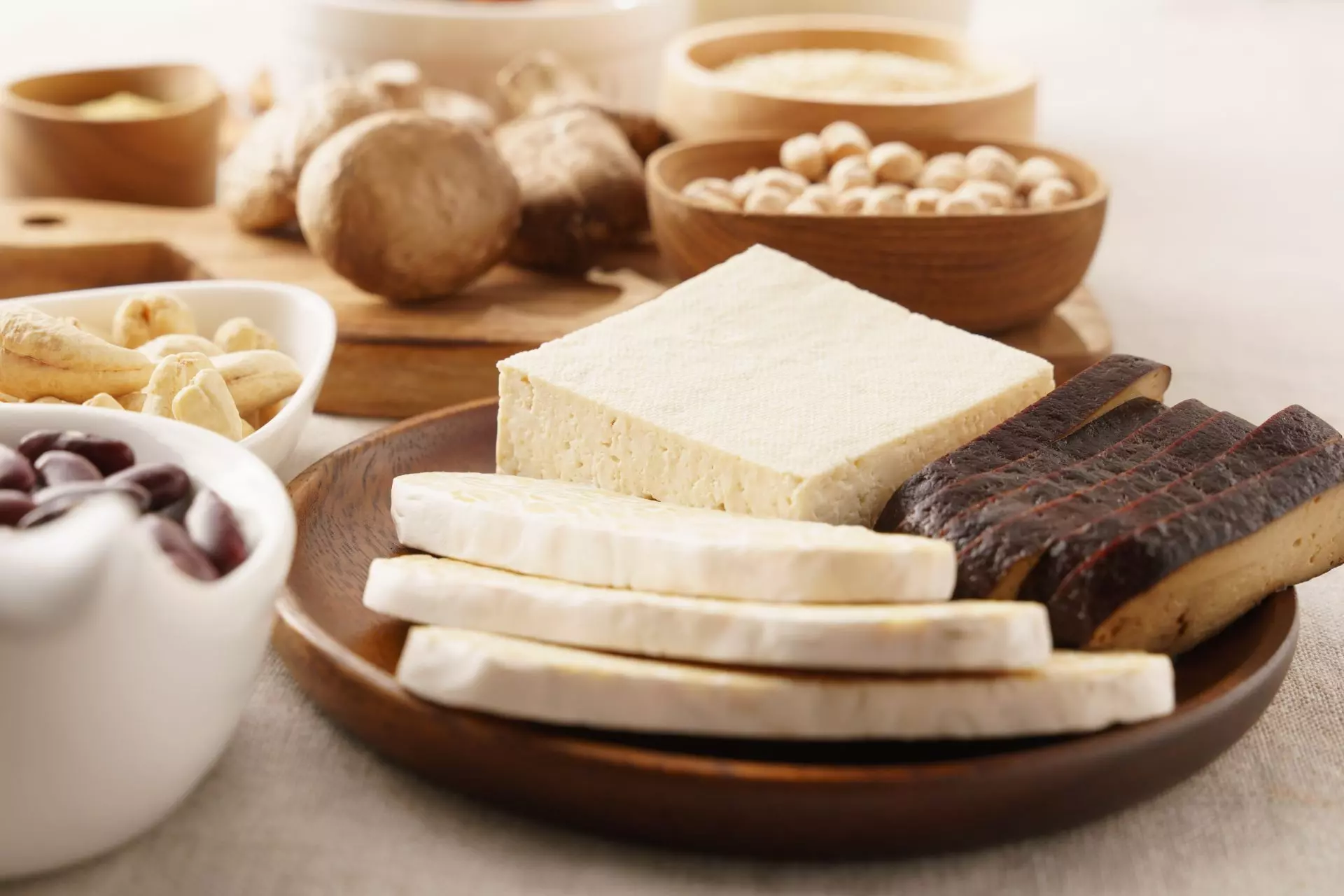
2020-2024 Health benefits of tofu will increase market demand
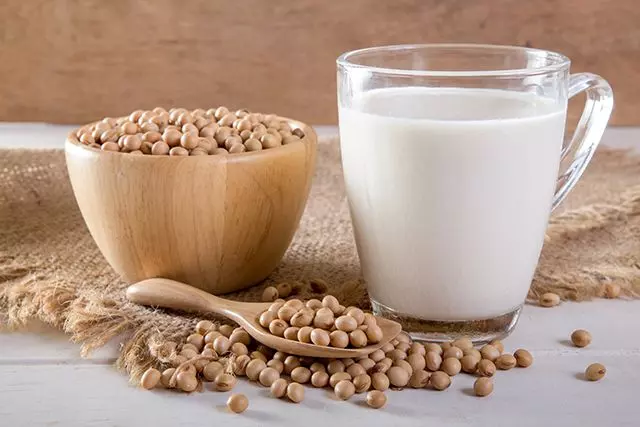
When is the best time to drink soy milk? 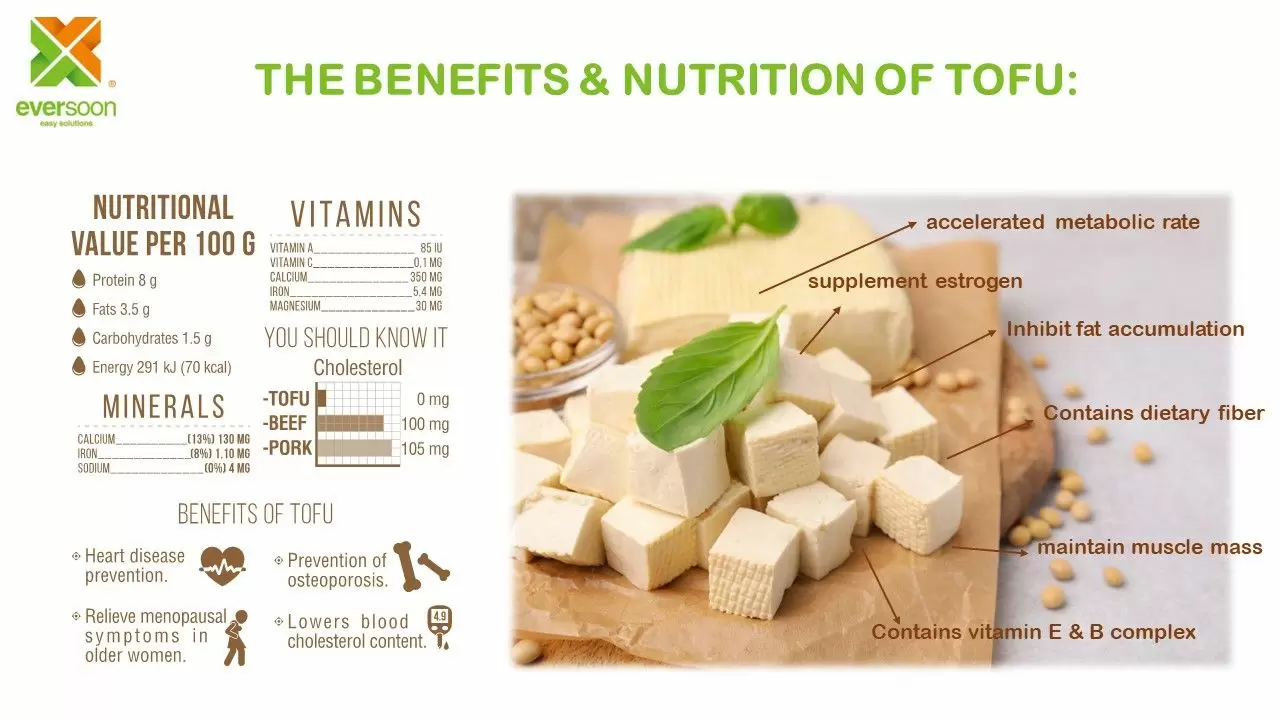
Benefits And Nutrition Of Tofu
Canada Food Guide Changes: More Veg, Less Meat, And No More Eating Alone
- Related Products

Automatic Tofu Cutting Equipment
Tofu Automatic Cutting Machine adopts three sections to detect the whole slab of tofu which is automatically introduced, the first section detects and cuts...
Details Add to cart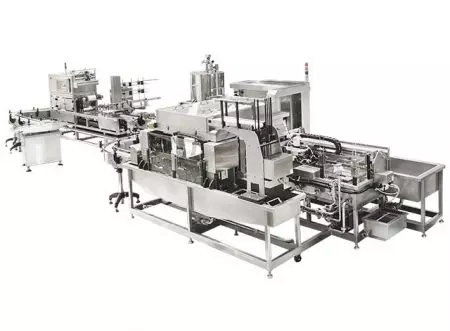
Automatic Cutting Equipment for Tofu in Water
After the operator pushes the unmolded tofu plate into the automatic cutting machine in tofu water, the machine is equipped with a conveyor belt that automatically...
Details Add to cart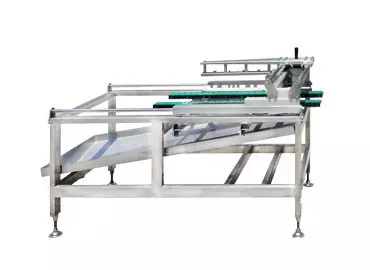
Tofu Manual Cutting Equipment
In the early days, tofu manufacturers or tofu workshops used to cut tofu with a kitchen knife, which not only tested the master's knife skills over the years,...
Details Add to cart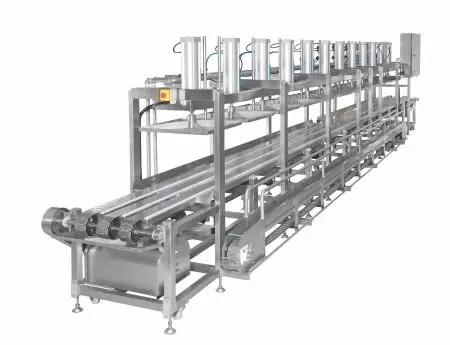
Continuous Tofu Pressing Machine
After the tofu molds are stacked and transported to the tofu press station, the conveyor belt of the tofu press is synchronized and the tofu molds are automatically...
Details Add to cart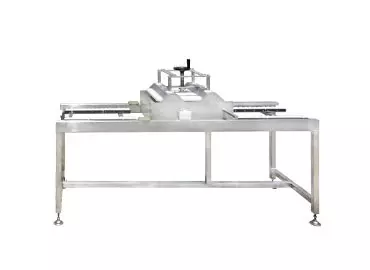
Tofu Mold Turning Machine
Pressed tofu mold can only be cut after removing the mold and cloth. The machine is manually operated, it is using the principle of lever to reduce the weight...
Details Add to cart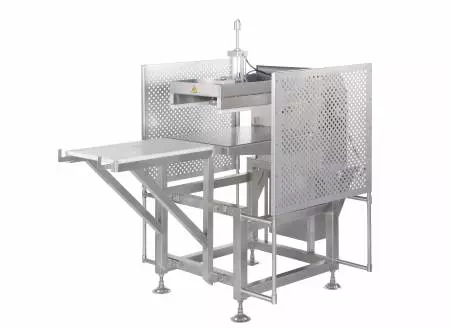
semi Auto.Tofu Mold Turning Machine
Pressed tofu mold can only be cut after removing the mold and cloth. The operator pushes the tofu mold into the tofu mold turning box to the end, presses...
Details Add to cart
 Download
 The Next Decade of the Global Tofu Market: Why Now, and Why the Right Partner Matters | CE Certified Tofu Product Line, Soybean Soak & Wash Tank, Grinding & Cooking Machine Manufacturer | Yung Soon Lih Food Machine Co., Ltd.
Based in Taiwan since 1989, Yung Soon Lih Food Machine Co., Ltd. has been a food manufacturing machine manufacturer that is specilized in soy bean, soy milk and tofu making sectors. Unique design soy milk and tofu production lines built with ISO and CE certifications, sold in 40 countries with solid reputation.
Yung Soon Lih has more than 30 years of food machinery manufacturing and technical experience, professional production: Tofu Machine, Soy Milk Machine, Alfalfa Sprouts Germination Equipment, Grinding Machine, etc.