
Is Tofu Manufacturing Profitable? | Yung Soon Lih Food Machine News and Events | Yung Soon Lih Food Machine Co., Ltd.
Yung Soon Lih Food Machine Is Tofu Manufacturing Profitable?. EVERSOON, a brand of Yung Soon Lih Food Machine Co., Ltd., is a leader of Soy Milk and Tofu Machines. Being a guardian of food safety, we share our core technology and professional experience of Tofu production to our worldwide customers. Let us be your important and powerful partner to witness your business growth and success.. We are the first food machine manufacturer whom developed the European Tofu turn-key production line, which can produce Asian Tofu, and Soy Milk processing equipment. Our tofu production machines are specially design and able to produce Tofu Burger, Vegetable Tofu, Smoked Tofu, Tofu Sausage to satisfy consumers' demand from the American and European market.
Is Tofu Manufacturing Profitable?
Is Tofu Manufacturing Profitable?
◆ Why Tofu Manufacturing Continues to Attract New Investors
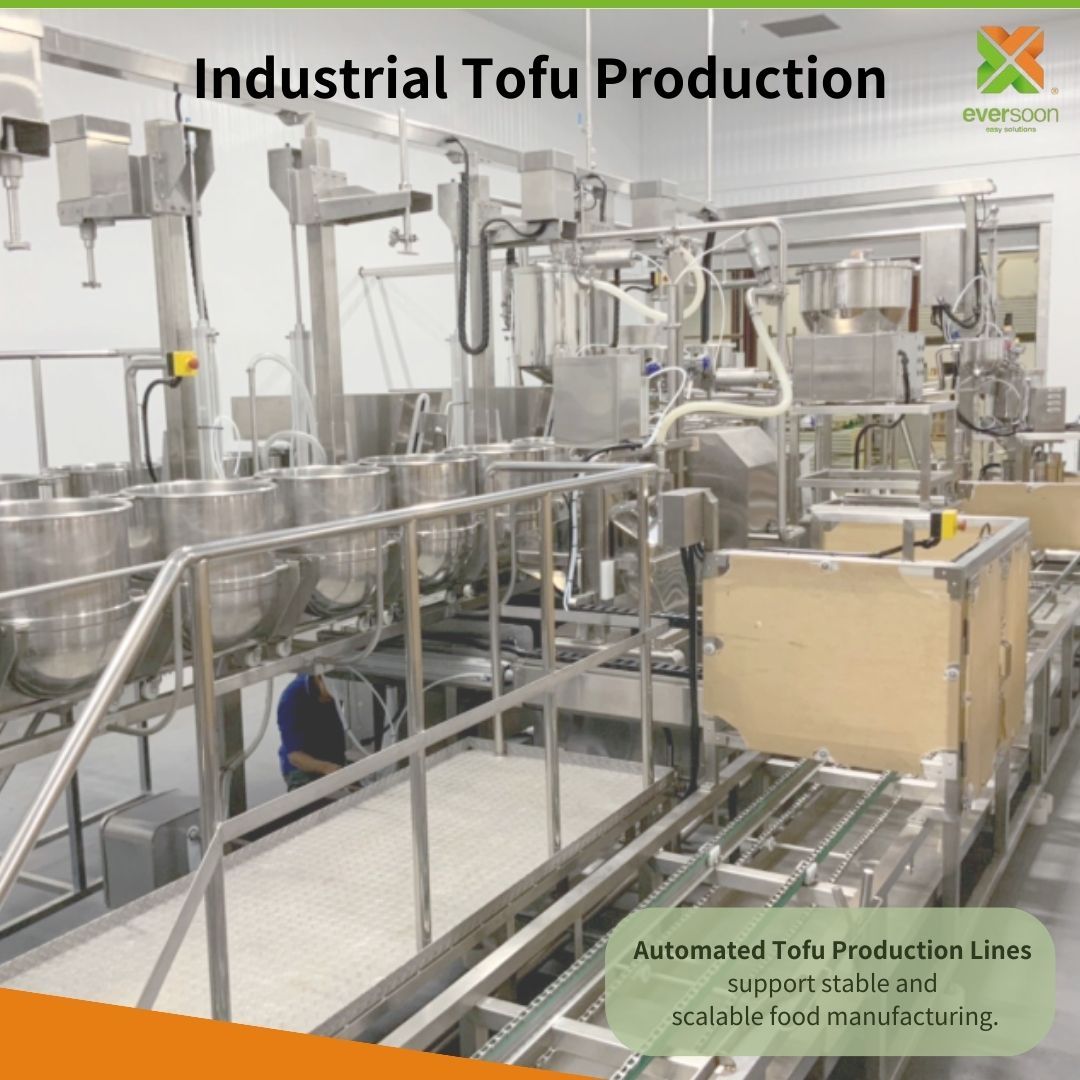
Tofu manufacturing continues to attract new investors as global demand for plant-based protein grows steadily. In Asia, tofu has long been a staple food, while in North America and Europe it is increasingly used in vegetarian diets, ready-to-eat meals, and processed foods.
Because soybeans are relatively affordable and tofu can be used in many dishes, the industry appears attractive to entrepreneurs entering the food sector.
This leads to a common question: Is tofu manufacturing profitable?
In most cases, the answer is yes. However, profitability depends less on market demand and more on whether the production system can operate consistently and efficiently over time.
◆ The Real Cost Structure of Tofu Manufacturing
When planning a tofu factory, many investors focus mainly on soybean prices or selling price. In reality, a large portion of costs comes from the production process itself.
| Cost Category | Description |
|---|---|
| Raw materials | Soybeans and processing ingredients |
| Labor | Workers for grinding, cooking, molding, and packaging |
| Energy & water | Steam, electricity, and water consumption |
| Equipment & maintenance | Machinery investment, repairs, spare parts |
| Production loss | Rejected batches and quality-related waste |
Many manufacturing challenges are underestimated at the early planning stage.
For example, water quality is sometimes not carefully evaluated. Differences in mineral content can affect coagulation reactions and lead to inconsistent tofu texture.
Another commonly overlooked issue is okara (soy pulp) handling. Tofu production generates large volumes of okara daily, and disposal or transportation can gradually become a significant operating cost.
In addition, poorly designed CIP cleaning systems may cause residue buildup in pipelines. Over time, this can shorten product shelf life and occasionally result in batch rejection.
These examples show that in tofu manufacturing, profitability problems often come from production instability rather than lack of market demand.
◆ What Determines Profitability in Tofu Manufacturing?
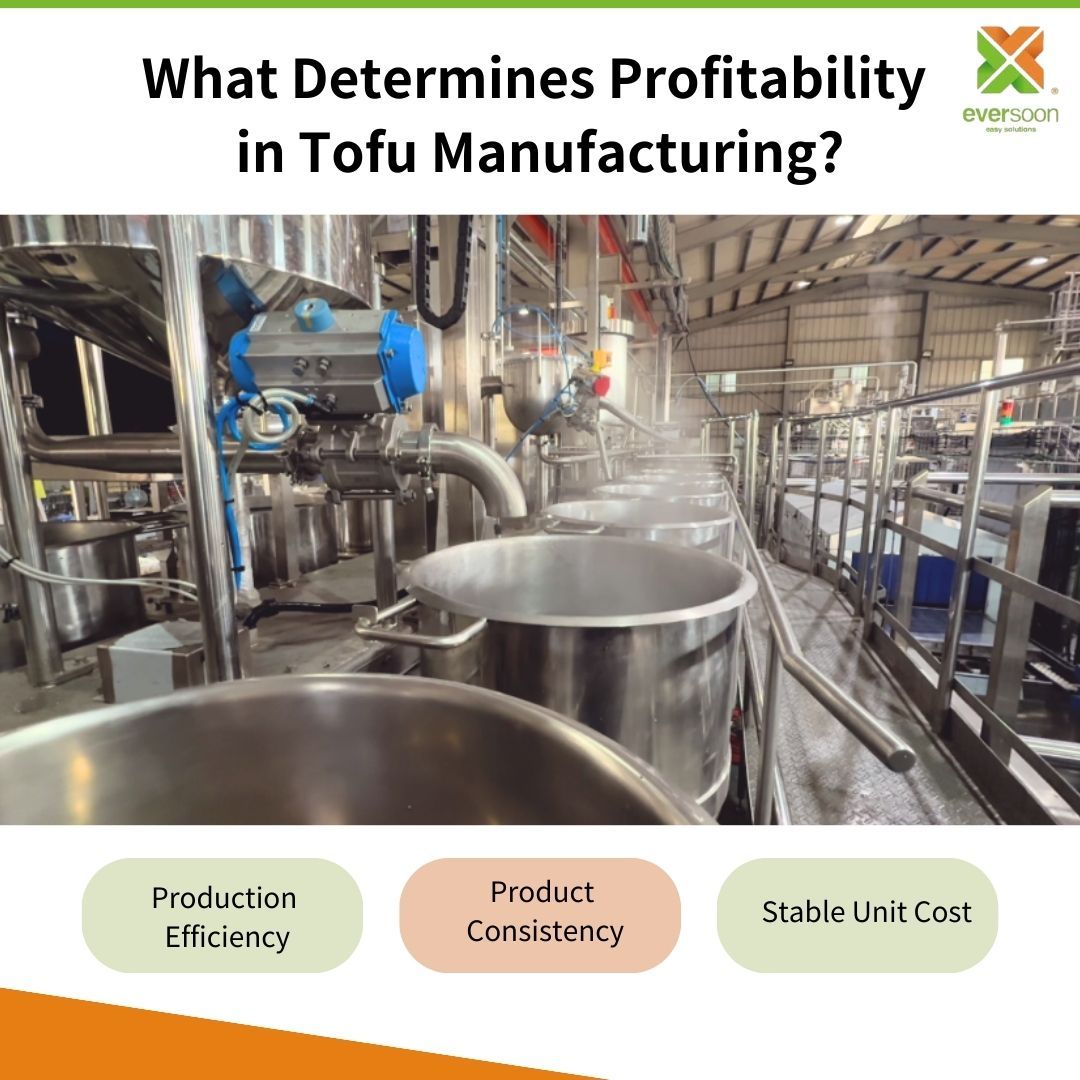
From a manufacturing perspective, long-term profitability usually depends on three key operational factors.
1️⃣ Production efficiency – the ability to maintain steady output
2️⃣ Product consistency – keeping texture, density, and moisture uniform across batches
3️⃣ Stable unit cost – minimizing waste, downtime, and rework
These factors are not always obvious at small production volumes. However, when output increases, the difference between a well-designed production system and an unstable one becomes very clear.
In other words, profitability in tofu manufacturing is largely determined by how well the production process is controlled and standardized.
◆ Key Features of Profitable Tofu Manufacturing Operations
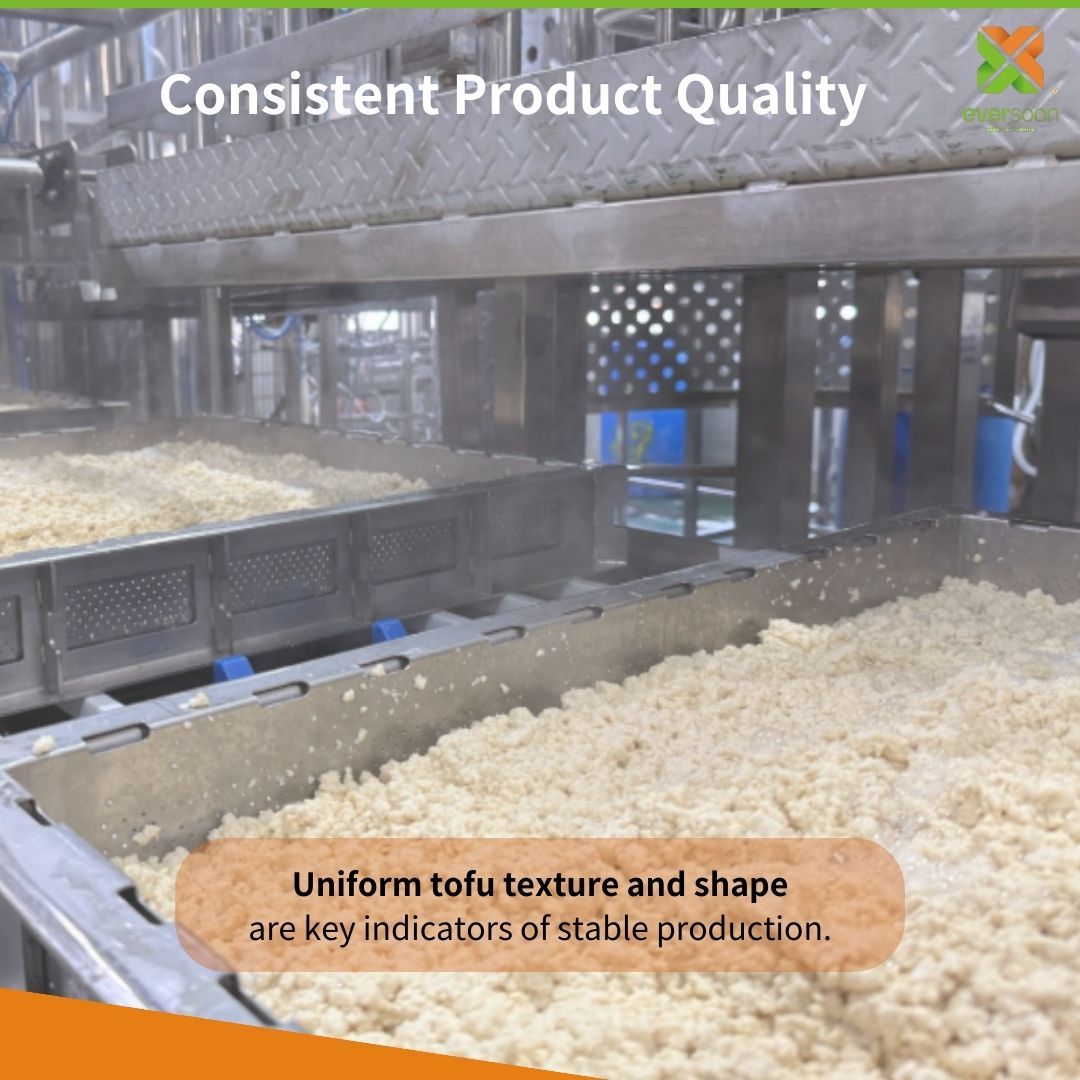
Successful tofu factories usually share several operational characteristics.
| Operational Feature | Why It Matters |
|---|---|
| Stable production output | Ensures predictable daily capacity |
| Reduced labor dependency | Less reliance on operator experience |
| Consistent tofu texture | Maintains customer trust |
| Lower product loss | Reduces waste and rework costs |
| Scalable production capacity | Allows future factory expansion |
These features highlight an important principle: Profitable tofu manufacturing is not simply calculated from product margins—it is supported by stable production processes.
◆ How YSL Food Helps Turn Tofu Manufacturing into a Profitable Business
For many entrepreneurs, the challenge is not selling tofu but operating a factory that can maintain stable production over the long term.
When supporting new tofu manufacturers, YSL Food typically begins with production capacity planning. Instead of estimating only current demand, planning often considers future growth over the next three to five years. This helps avoid production bottlenecks when the business expands.
Factory layout and process flow are also carefully designed. Equipment placement, material movement, and sanitation systems are arranged to reduce contamination risks and improve efficiency.
Unlike suppliers that provide only individual machines, YSL focuses on integrated production solutions. Equipment selection, processing steps, and automation systems are designed together so that the entire production line operates smoothly.
After automation is introduced, manufacturers often notice several improvements:
1️⃣ More stable product quality
2️⃣ Easier workforce management
3️⃣ More predictable production output
In many cases, the biggest benefit is process control. When production parameters can be repeated and standardized, factories gain better control over both quality and operational costs.
🔍Want to know more? Check: Fresh tofu at one touch!
🔍Want to know more? Check: The Complete Guide to Choosing the Right Tofu Maker for Your Production
🔗Find out more about: Tofu Star
◆ Profitability Depends on How You Manufacture Tofu
Demand for tofu continues to grow worldwide, making it an attractive opportunity for food manufacturers.
However, strong demand alone does not guarantee long-term profitability. The real difference lies in how the tofu is produced.
Factories with stable processes, consistent product quality, and scalable production capacity are far more likely to maintain healthy margins.
For entrepreneurs considering entering the tofu industry, investing in a well-designed production system from the beginning can reduce operational risks and support sustainable business growth.
In the long run, successful tofu manufacturing is not only about selling tofu—it is about building a production system that can reliably produce it every day.
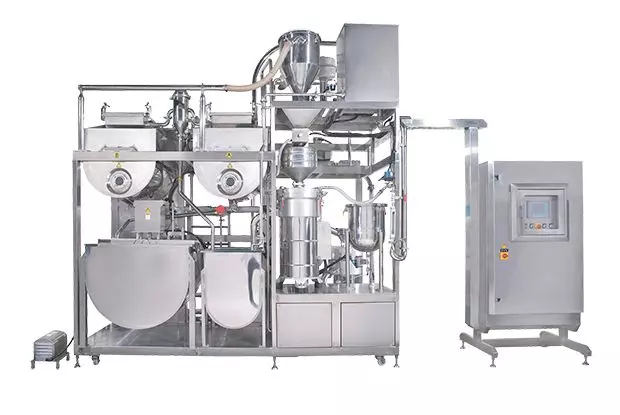
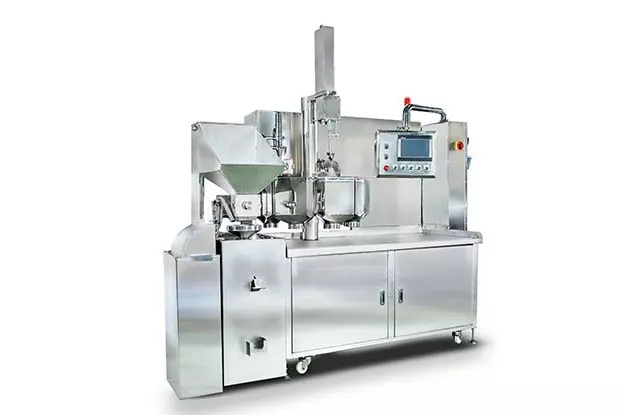
👉Explore Our - Tofu Production Line
👉Explore Our - Soy Milk Production Line
☎️Want to know more? Contact us!
Hot articles
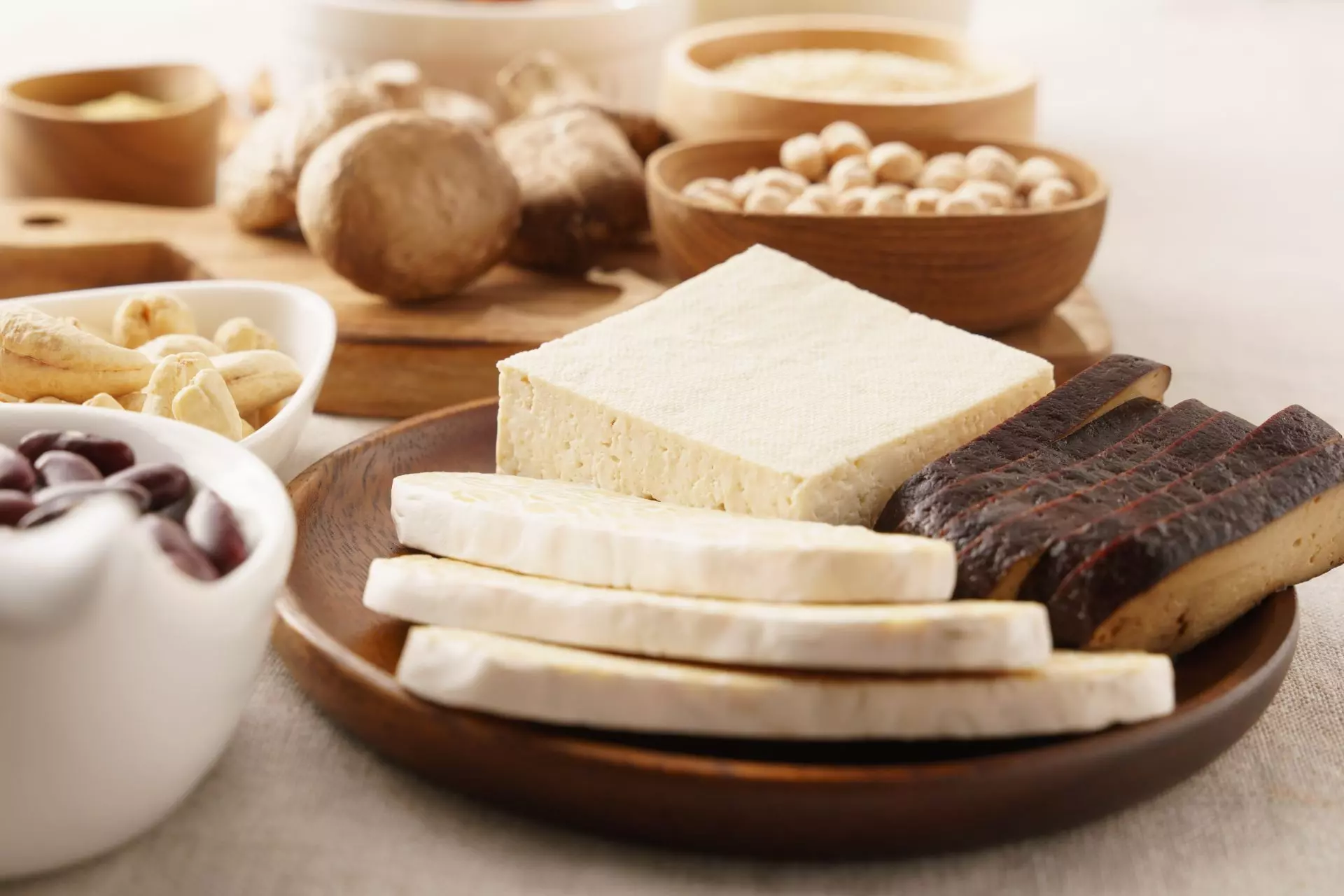
2020-2024 Health benefits of tofu will increase market demand
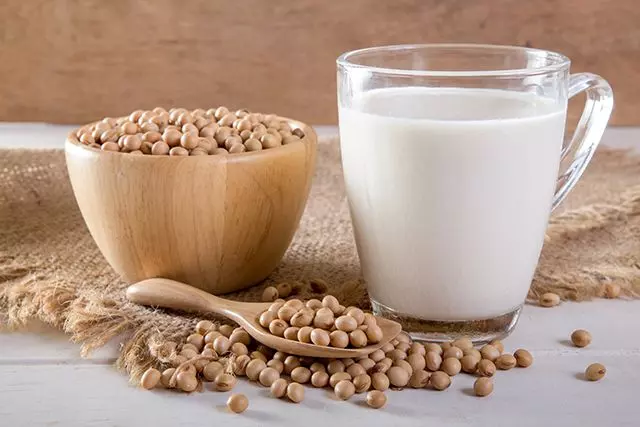
When is the best time to drink soy milk? 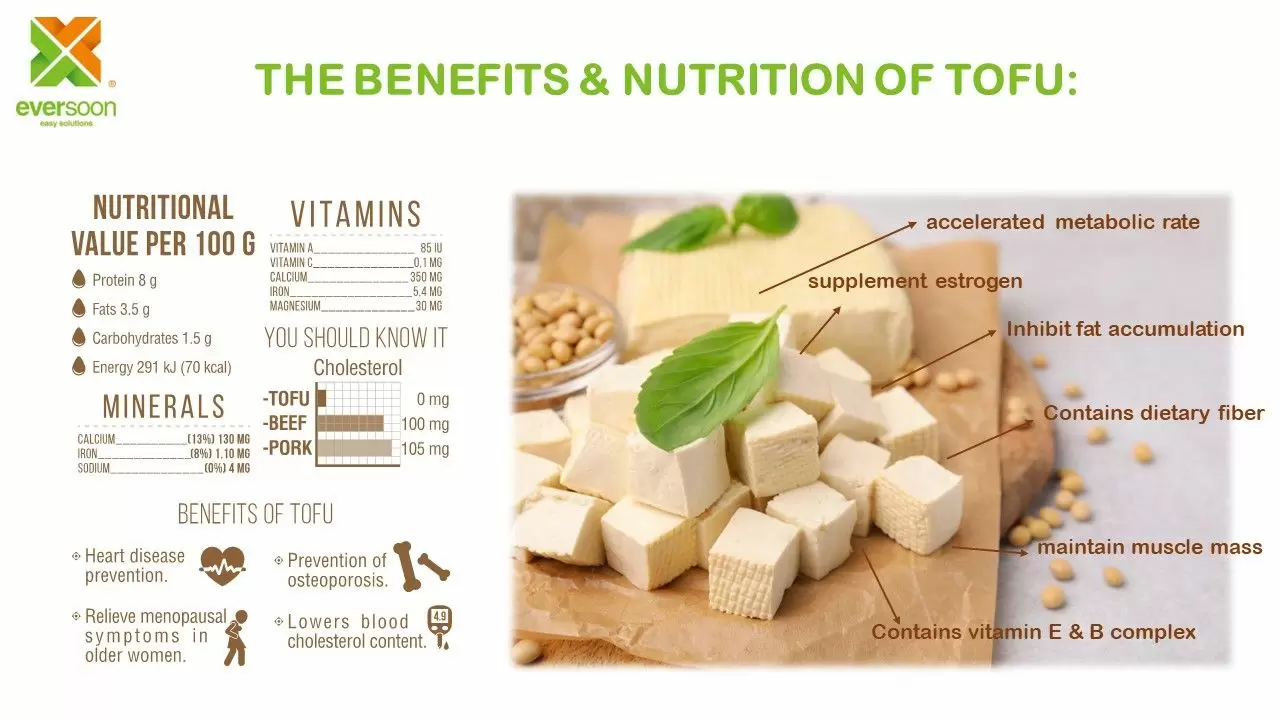
Benefits And Nutrition Of Tofu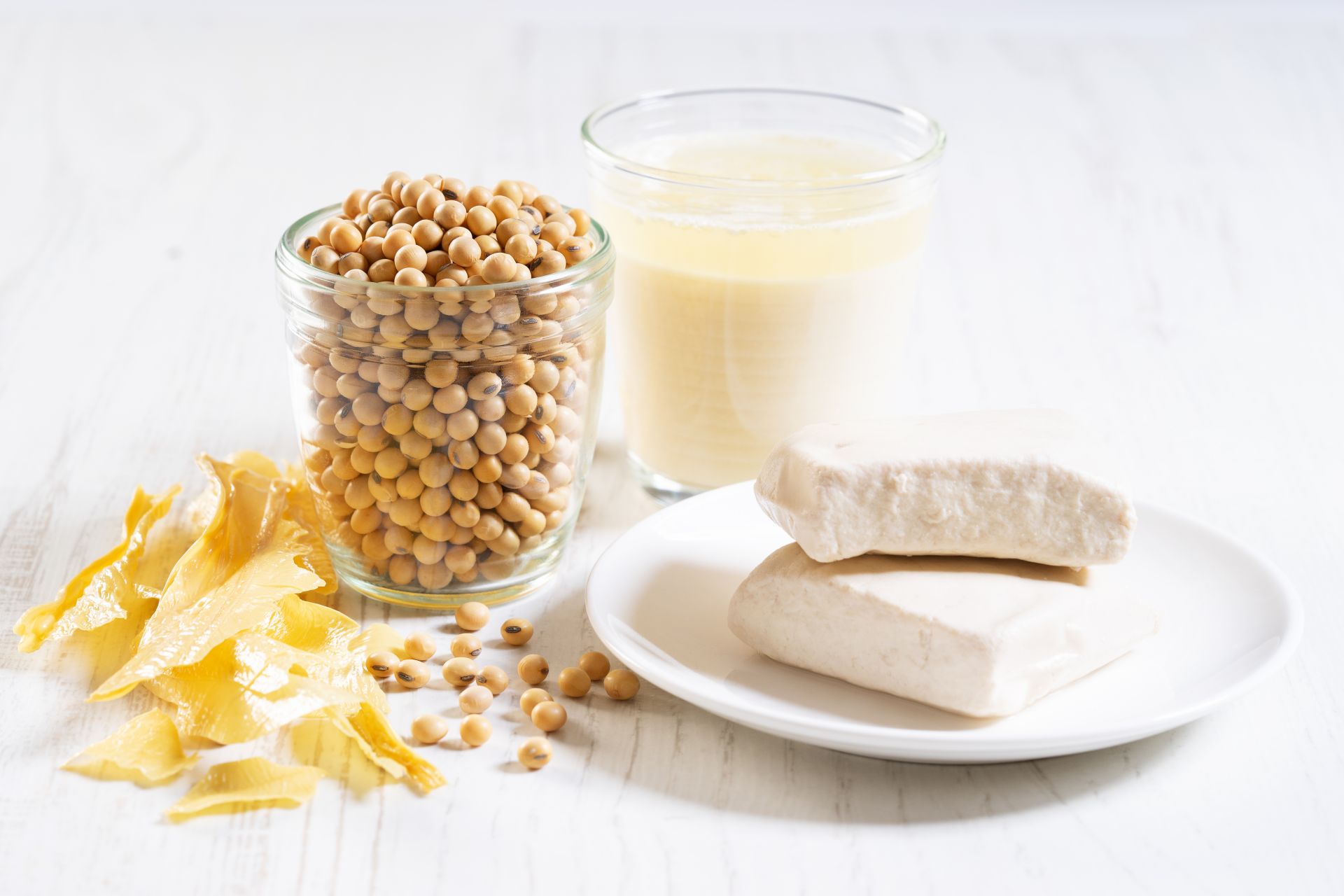
Canada Food Guide Changes: More Veg, Less Meat, And No More Eating Alone
- Related Products

Automatic Tofu Cutting Equipment
Tofu Automatic Cutting Machine adopts three sections to detect the whole slab of tofu which is automatically introduced, the first section detects and cuts...
Details Add to cart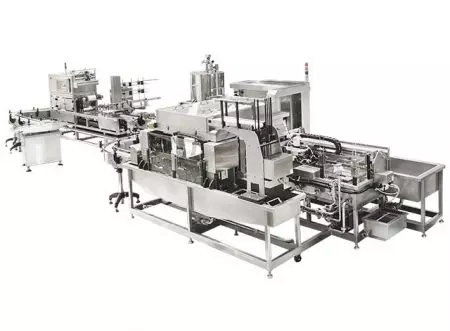
Automatic Cutting Equipment for Tofu in Water
After the operator pushes the unmolded tofu plate into the automatic cutting machine in tofu water, the machine is equipped with a conveyor belt that automatically...
Details Add to cart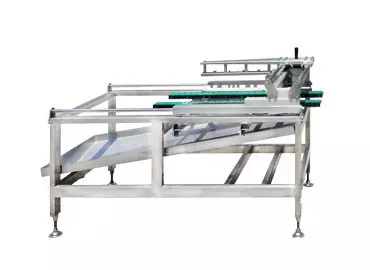
Tofu Manual Cutting Equipment
In the early days, tofu manufacturers or tofu workshops used to cut tofu with a kitchen knife, which not only tested the master's knife skills over the years,...
Details Add to cart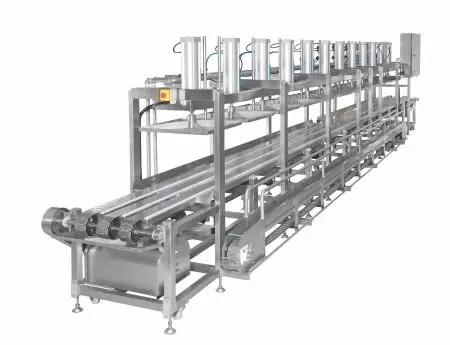
Continuous Tofu Pressing Machine
After the tofu molds are stacked and transported to the tofu press station, the conveyor belt of the tofu press is synchronized and the tofu molds are automatically...
Details Add to cart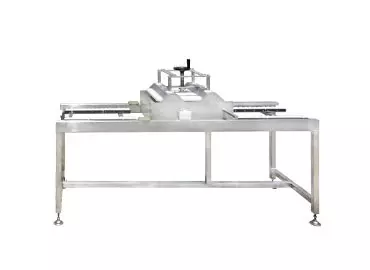
Tofu Mold Turning Machine
Pressed tofu mold can only be cut after removing the mold and cloth. The machine is manually operated, it is using the principle of lever to reduce the weight...
Details Add to cart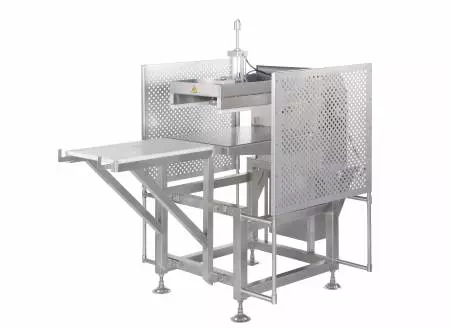
semi Auto.Tofu Mold Turning Machine
Pressed tofu mold can only be cut after removing the mold and cloth. The operator pushes the tofu mold into the tofu mold turning box to the end, presses...
Details Add to cart
 Download
 Is Tofu Manufacturing Profitable? | CE Certified Tofu Product Line, Soybean Soak & Wash Tank, Grinding & Cooking Machine Manufacturer | Yung Soon Lih Food Machine Co., Ltd.
Based in Taiwan since 1989, Yung Soon Lih Food Machine Co., Ltd. has been a food manufacturing machine manufacturer that is specilized in soy bean, soy milk and tofu making sectors. Unique design soy milk and tofu production lines built with ISO and CE certifications, sold in 40 countries with solid reputation.
Yung Soon Lih has more than 30 years of food machinery manufacturing and technical experience, professional production: Tofu Machine, Soy Milk Machine, Alfalfa Sprouts Germination Equipment, Grinding Machine, etc.