-
English
- English
- Español
- Português
- Français
- Italiano
- Deutsch
- Русский
- Suomen
- Svenska
- Dansk
- česky
- Polska
- Nederlands
- Türkçe
- العربية
- हिन्दी
- Indonesia
- ไทย
- Bahasa Melayu
- Việt
- Български
- Javanese
- slovenčina
- slovenščina
- తెలుగు
- Filipino
- Română
- فارسی
- বাঙ্গালী
- українська
- Magyar
- עברית
- Norsk
- Eesti
- Hrvatska
- Gaeilge
- 中文 (繁體)
- 中文 (简体)
- 日本語
- 한국어

How One North American Entrepreneur Built a Tofu Brand with YSL | Yung Soon Lih Food Machine News and Events | Yung Soon Lih Food Machine Co., Ltd.
Yung Soon Lih Food Machine How One North American Entrepreneur Built a Tofu Brand with YSL. EVERSOON, a brand of Yung Soon Lih Food Machine Co., Ltd., is a leader of Soy Milk and Tofu Machines. Being a guardian of food safety, we share our core technology and professional experience of Tofu production to our worldwide customers. Let us be your important and powerful partner to witness your business growth and success.. We are the first food machine manufacturer whom developed the European Tofu turn-key production line, which can produce Asian Tofu, and Soy Milk processing equipment. Our tofu production machines are specially design and able to produce Tofu Burger, Vegetable Tofu, Smoked Tofu, Tofu Sausage to satisfy consumers' demand from the American and European market.
How One North American Entrepreneur Built a Tofu Brand with YSL
From Zero Experience to Major Retail: How One North American Entrepreneur Built a Tofu Brand with YSL
When a customer returns to purchase a second production line, it often says more than any brochure, specification sheet, or sales presentation ever could. A first purchase may begin with ambition, curiosity, or a market opportunity. But a second purchase is different. It is a decision made after the equipment has been installed, tested, operated, and trusted in real production.
That was the case with one North American entrepreneur who began his tofu business with no food manufacturing background, no tofu factory experience, and no technical knowledge of soybean processing. At the beginning, he was not looking for a machine simply because he wanted to produce tofu. He was looking at a market that was changing, and he saw an opportunity before many others fully understood it.
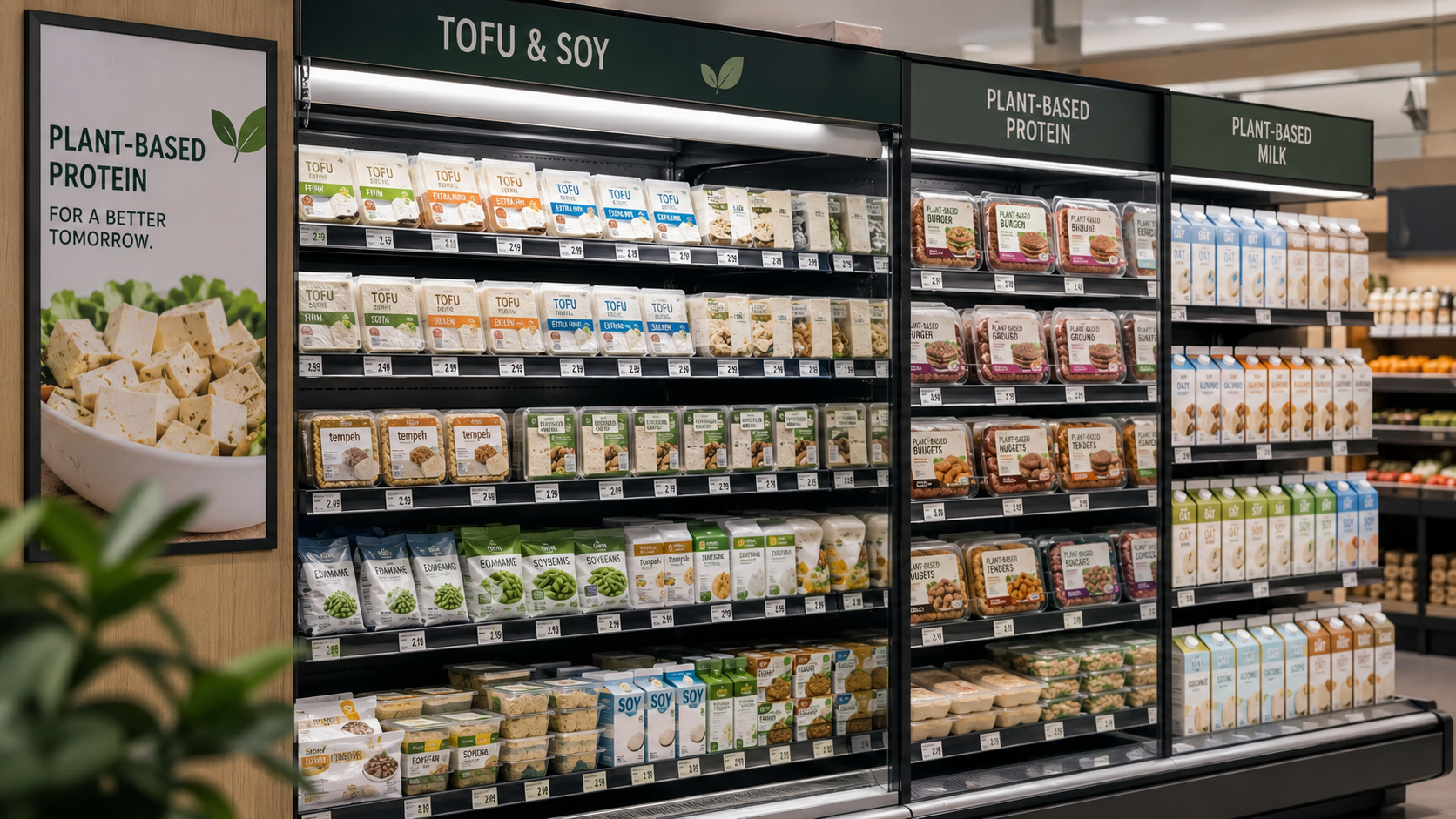
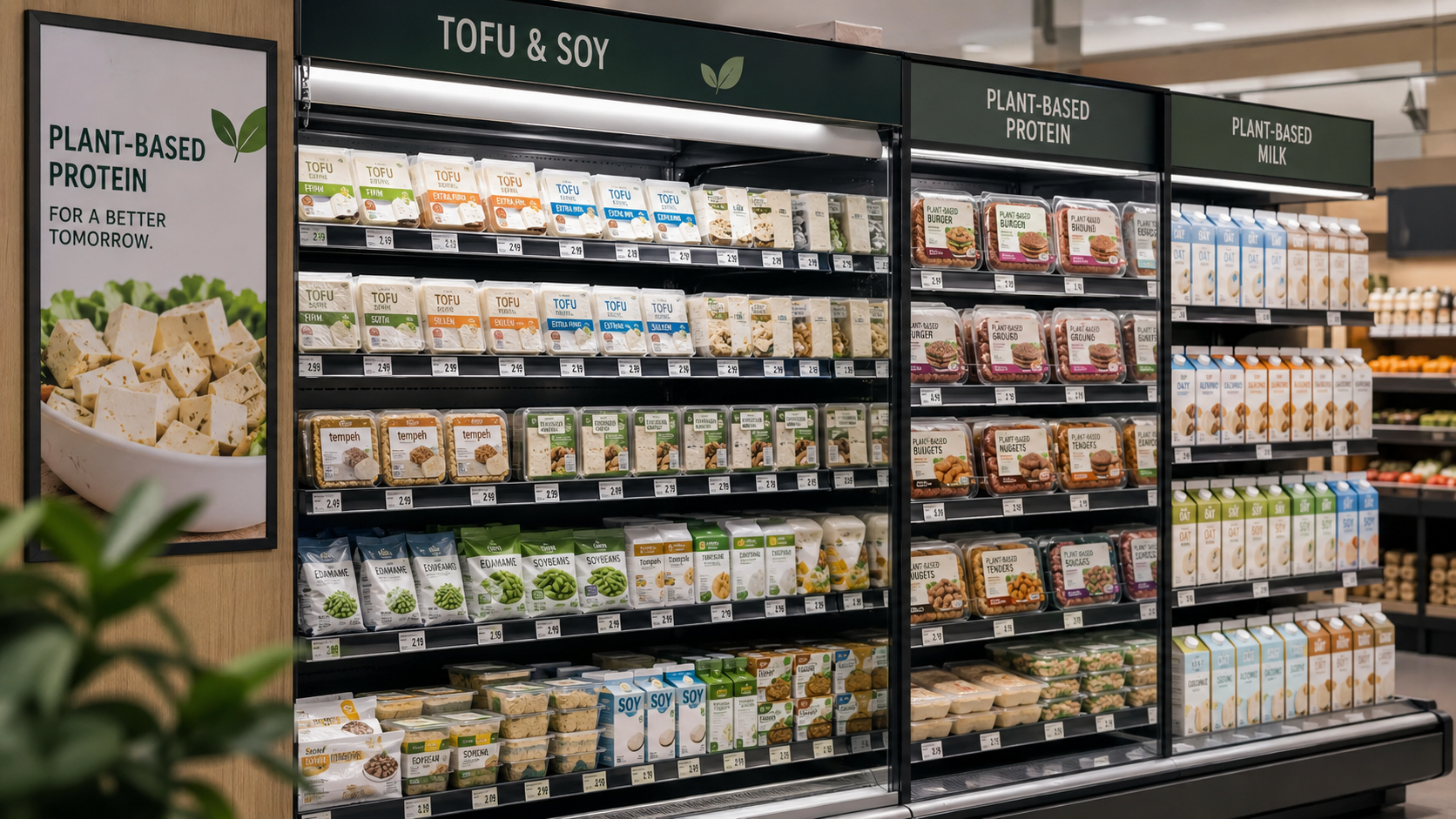
Across North America, consumer demand for healthy, high-protein, and plant-based foods was growing. Tofu was no longer limited to Asian grocery stores or traditional foodservice channels. It was gradually entering mainstream retail, appearing on shelves where consumers were looking for clean-label, plant-based protein options. For an entrepreneur with vision, this was not just a product trend. It was the beginning of a long-term business opportunity.
However, the deeper he studied tofu production, the more he realized that building a tofu brand was not as simple as buying a machine and starting production. Tofu may appear simple as a finished product, but its manufacturing process is highly sensitive. Soybean quality, soaking conditions, grinding ratio, soymilk concentration, cooking temperature, coagulation control, pressing time, cutting, packaging, sanitation, and storage all affect the final texture, yield, consistency, and shelf stability.
For a small local operation, some of these challenges may be manageable through manual experience. But his goal was much bigger. He wanted to build a tofu brand capable of entering major retail channels. That meant the factory had to produce consistent quality every day. It had to meet food safety expectations, reduce labor dependency, support stable output, and allow future expansion as market demand increased.

In the beginning, he searched for tofu production line, tofu machine, tofu processing equipment, and food machinery Taiwan. He contacted several equipment suppliers. Some companies sent simple quotations. Some focused only on machine specifications. Some offered low-cost equipment that looked attractive at first glance. But none of them answered the question that mattered most to him: if he invested in a production line, who would help him build a factory that could actually succeed?
His concern was never only about price. He understood that the wrong equipment choice could create hidden costs far beyond the initial purchase: unstable production, low yield, high labor requirements, inconsistent product quality, downtime, and delayed market entry. What he needed was not only machinery. He needed process knowledge, production planning, technical training, food safety awareness, and a partner who understood what it takes to turn a business idea into a working food manufacturing operation.
During his first meetings with Yung Soon Lih Food Machine, his questions were practical and direct. He wanted to know how tofu quality could remain stable, how coagulation should be controlled, how yield could be improved, how labor needs could be reduced, and how a standardized production process could be built. He also wanted to understand what hygienic design and food safety requirements mattered in Western markets, and whether the production line could be expanded in the future if demand grew.
Those conversations made one thing clear: he was not simply purchasing equipment. He was building a long-term food business with the ambition to enter major retail markets. After one of the early meetings, he made a comment that stayed with us. He said that YSL did not seem like a company that was only selling machines. Instead, he felt that YSL was helping customers build tofu factories that could truly operate and grow.
That statement reflects the role YSL has always aimed to play. A tofu production line is not just a combination of machines. It is the integration of soybean processing knowledge, production technology, yield control, labor planning, hygienic design, and long-term scalability. For customers entering a new market, especially those without tofu production experience, the value of a supplier is not measured only by equipment price. It is measured by how well the supplier can help reduce uncertainty and guide the project from planning to production.
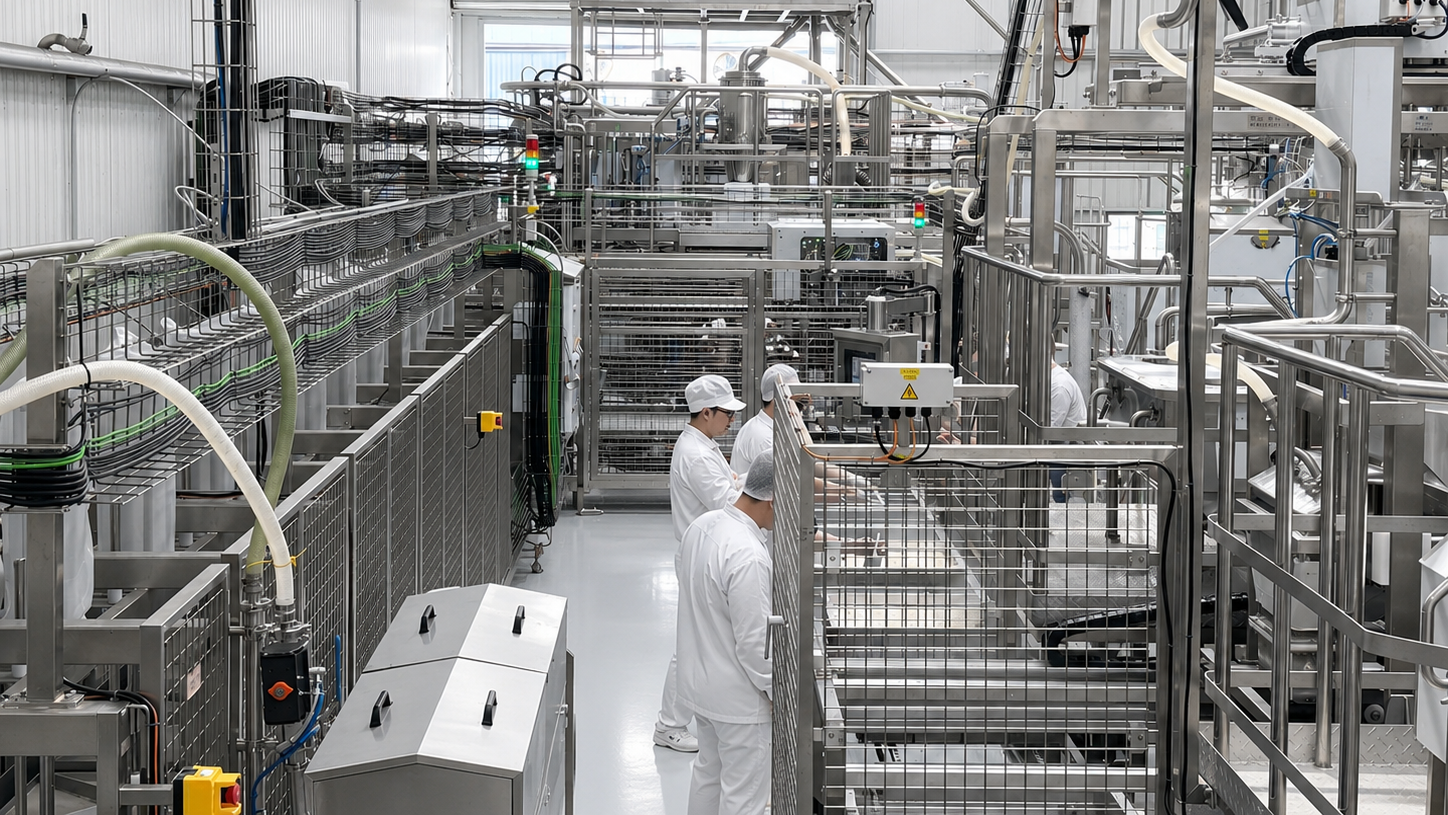
To help him better understand what a successful tofu factory could look like, YSL later arranged for him to visit a tofu manufacturing facility in Europe. This was not a trade show demonstration or a polished catalog example. It was a real factory that had been operating for years, producing tofu for the market with a YSL production line.
That visit became a turning point.
Inside the factory, he saw the full process in motion. Soybeans moved through soaking, grinding, separation, cooking, coagulation, pressing, cutting, and packaging. The line was not only running; it was running with structure, control, and rhythm. Operators followed clear procedures. Each production stage had defined control points. The process was not dependent on guesswork or individual experience alone. It was built around repeatability.
For someone starting from zero, this experience was more valuable than any technical document. He was able to see how a mature tofu production line functioned in daily operation. He also spoke with the factory team and learned how they managed product quality, reduced production loss, maintained stable yield, built SOPs, reduced manual handling, and met the expectations of food safety audits and retail customers.
Before leaving the factory, he said something simple but decisive: this was the kind of factory he wanted to build.
After the cooperation officially began, YSL worked with him from the early planning stage. The project did not begin with a machine list. It began with understanding his business goals, target products, expected capacity, factory space, labor conditions, production flow, and future expansion plans. Based on these factors, YSL helped design a tofu production solution that matched both his current needs and his long-term market ambitions.
The support continued beyond equipment configuration. YSL provided technology transfer, operator training, coagulation process guidance, yield optimization, sanitation planning, and automation advice. For a new tofu manufacturer, these details are critical. A production line must not only be installed; it must be understood, controlled, and operated with consistency.
In the first year, his factory began production. Moving from no tofu production experience to stable market supply was not an easy process, but it was a meaningful one. With continued technical support, the factory gradually strengthened its production stability, improved process control, and built the foundation needed to serve commercial customers.
By the third year, demand had grown. The market had responded, the business had expanded, and the first production line had proven its value. At that point, the customer made the strongest statement a buyer can make in the capital equipment industry: he purchased a second tofu production line.
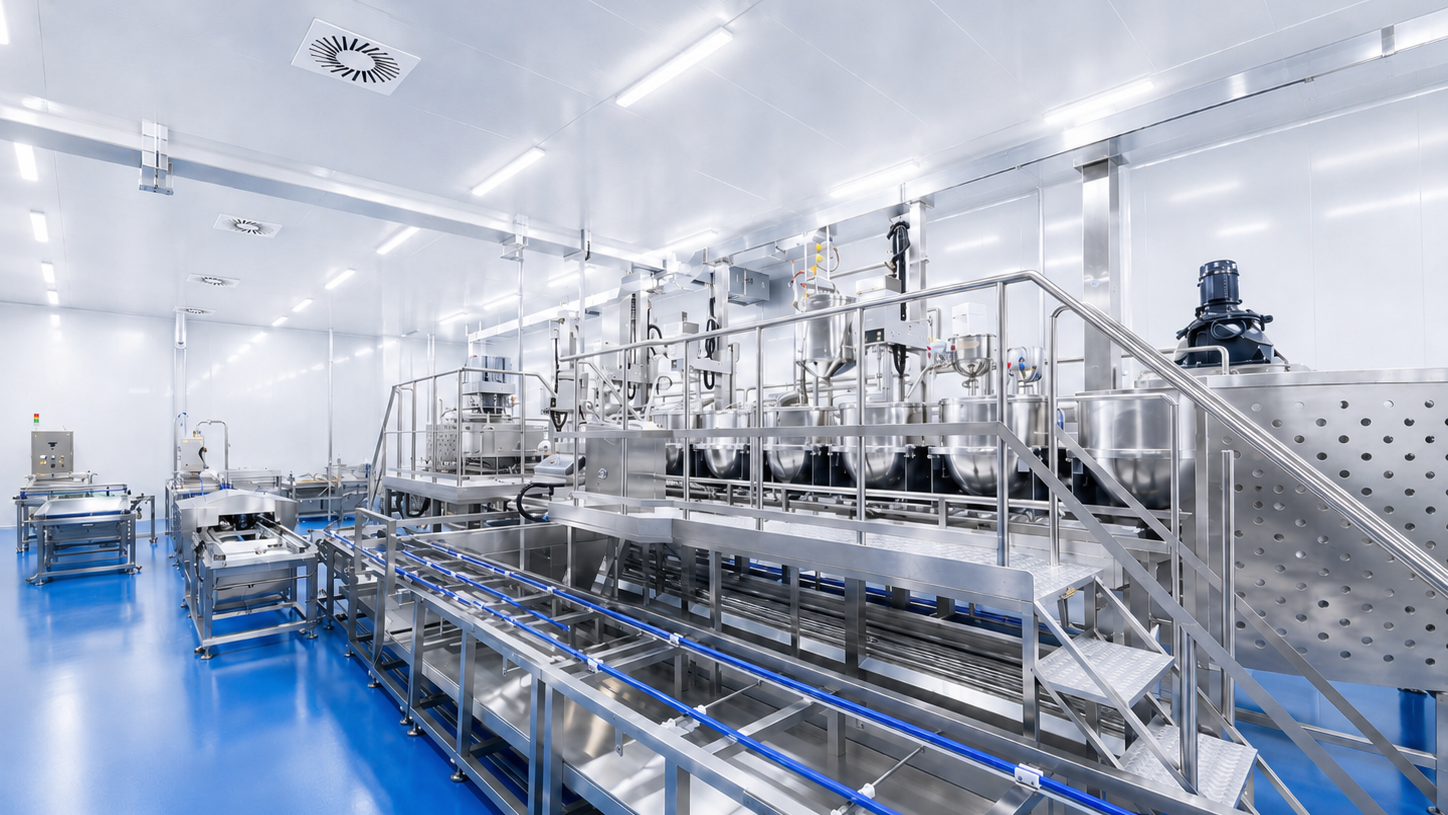
For YSL, that second line was more than an additional order. It was confirmation that the first project had delivered real business value. Customers do not return for a second line because of marketing language or attractive specifications. They return because the first line supported their growth, helped them produce consistently, and gave them the confidence to expand.
Today, his tofu products have successfully entered major retail channels in North America. What began as a vision from an entrepreneur with no tofu background has become a real food brand with stable production capability and market presence.
His journey shows an important truth about tofu manufacturing: a successful factory is never built by equipment alone. It requires the right production planning, reliable machinery, process expertise, technical support, food safety awareness, and a supplier who can act as a long-term partner rather than a one-time vendor.
Many buyers begin their equipment search by comparing prices. This is understandable, especially for new businesses managing investment risk. But in food manufacturing, the lowest equipment price does not always lead to the lowest total cost. If a production line cannot run reliably, the business may face higher losses through unstable yield, quality issues, excess labor, downtime, rejected products, and missed market opportunities.
For companies planning to enter tofu, soymilk, or soybean processing markets, the more important question is not simply how much a machine costs. The real question is whether the production system can support stable output, meet market requirements, and grow with the business.
Yung Soon Lih Food Machine has supported customers across Asia, Europe, and North America for decades. As a Taiwan-based manufacturer specializing in tofu, soymilk, and soybean processing equipment, YSL provides more than machines. We support customers with production line planning, automatic tofu equipment, process design, technology transfer, operator training, coagulation control, yield optimization, hygienic equipment design, food safety process planning, and long-term after-sales service.
This North American entrepreneur’s story is one example of what becomes possible when a customer chooses not only equipment, but the right partner. He started with no tofu production experience, but with the right planning, technical guidance, and production system, he built a tofu brand capable of entering major retail markets.
A successful tofu production line is not only about machinery. It represents experience, engineering, trust, and the ability to turn a market opportunity into a sustainable manufacturing business.
Your next success story may begin with the right production partner.
Hot articles
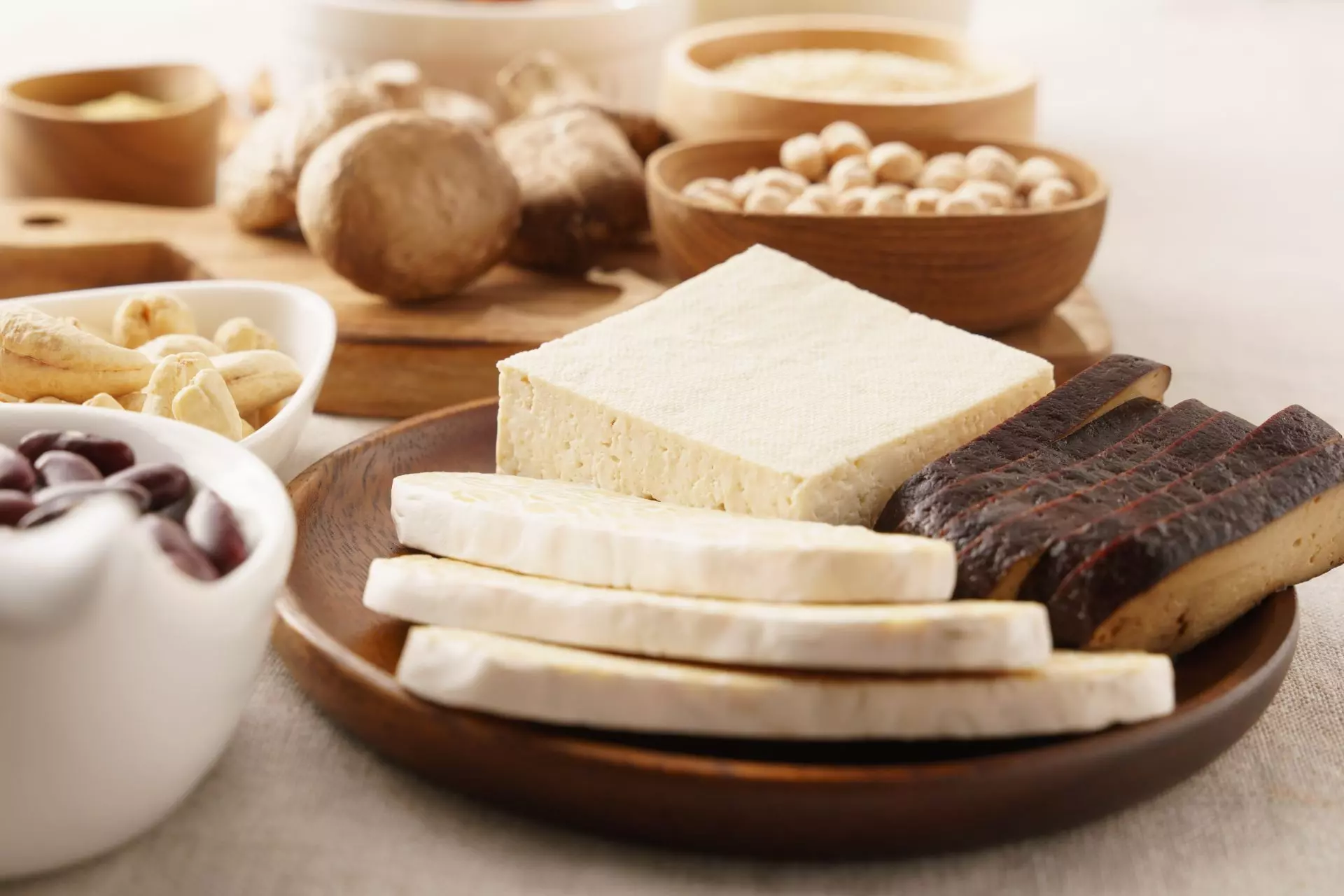
2020-2024 Health benefits of tofu will increase market demand
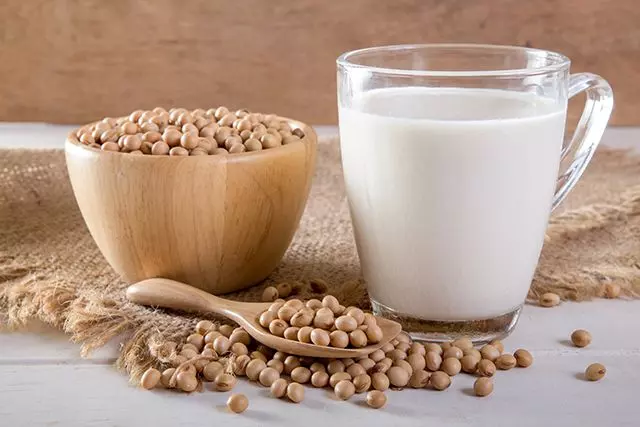
When is the best time to drink soy milk? 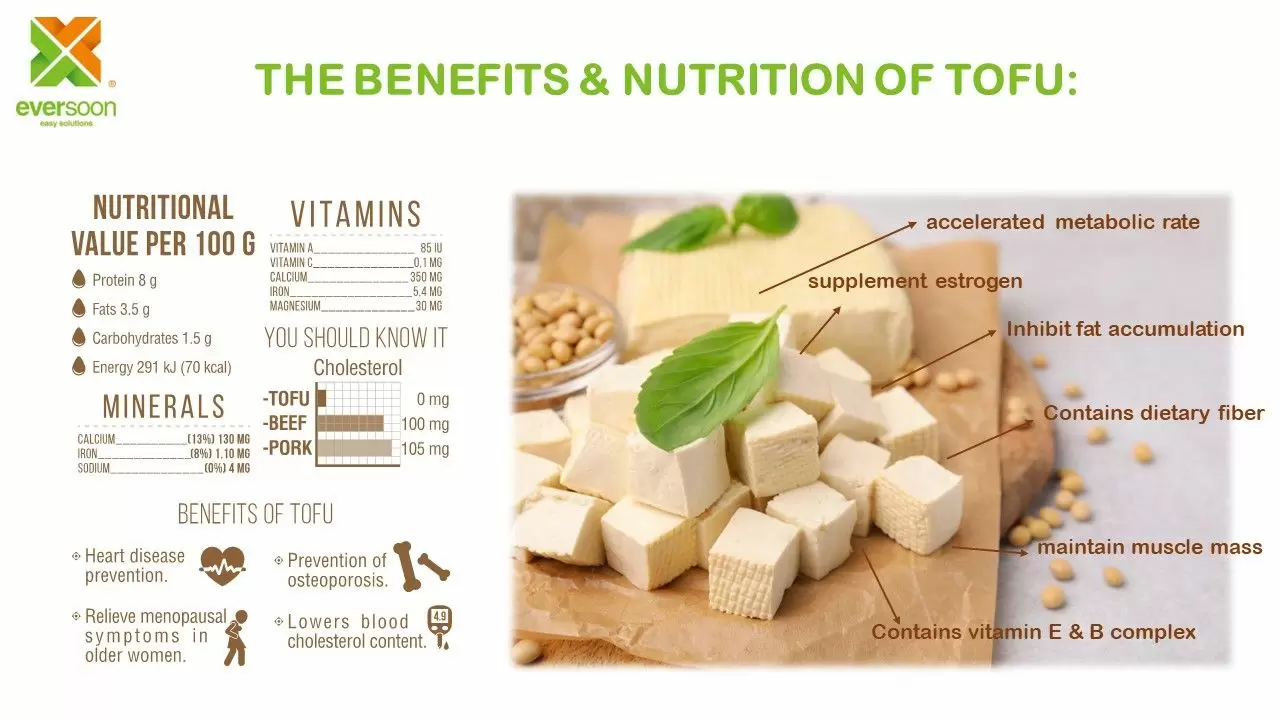
Benefits And Nutrition Of Tofu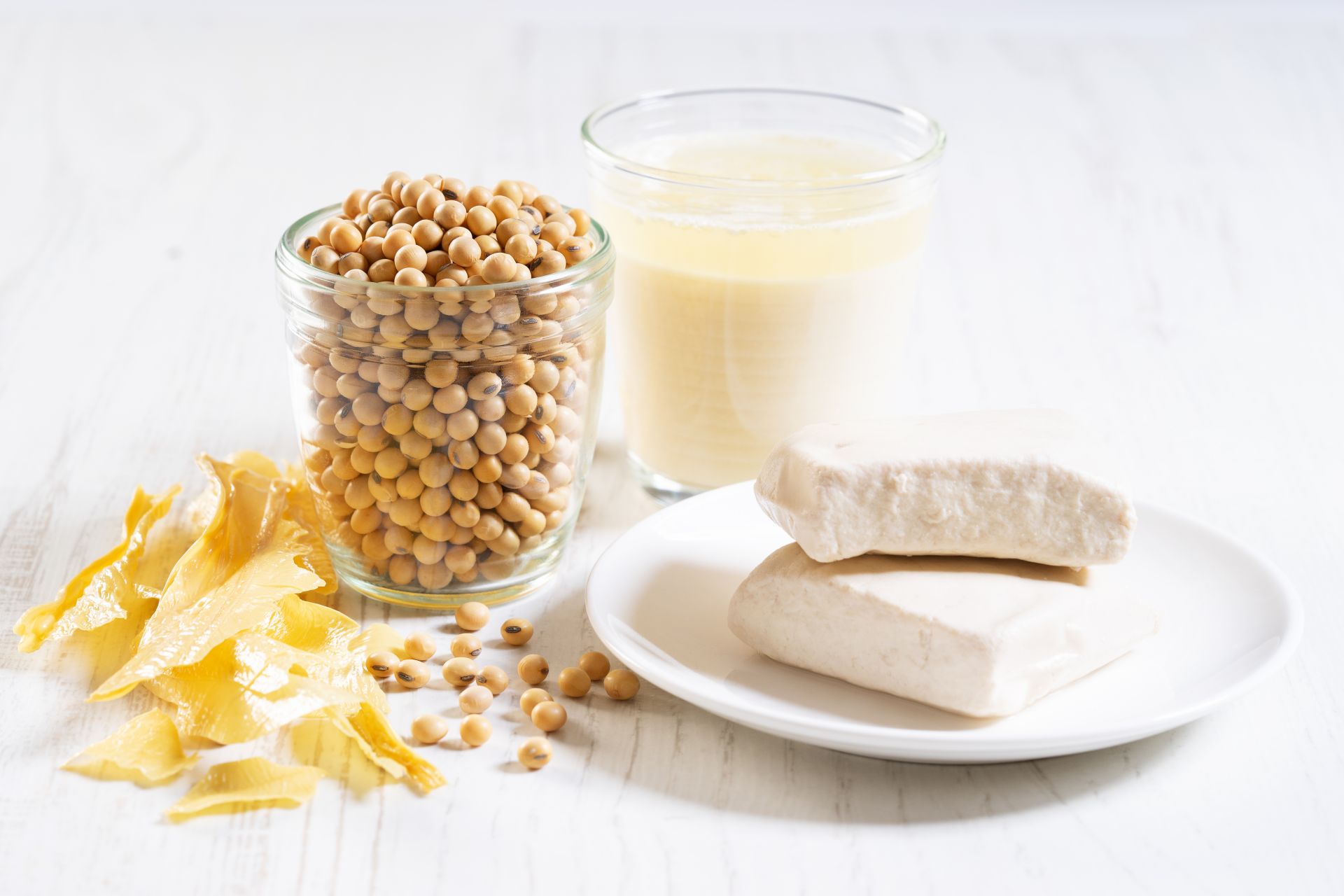
Canada Food Guide Changes: More Veg, Less Meat, And No More Eating Alone
- Related Products
-

Automatic Tofu Cutting Equipment
Tofu Automatic Cutting Machine adopts three sections to detect the whole slab of tofu which is automatically introduced, the first section detects and cuts...
Details Add to cart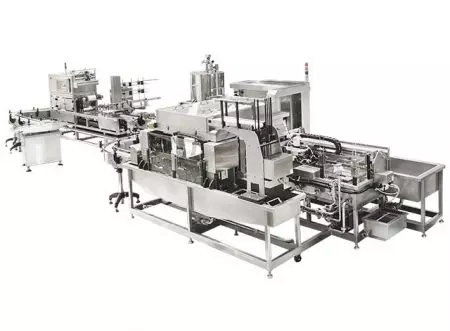
Automatic Cutting Equipment for Tofu in Water
After the operator pushes the unmolded tofu plate into the automatic cutting machine in tofu water, the machine is equipped with a conveyor belt that automatically...
Details Add to cart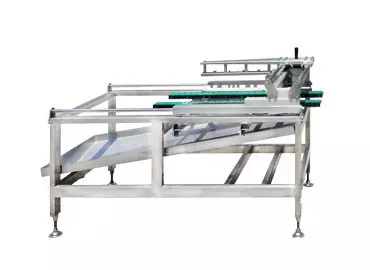
Tofu Manual Cutting Equipment
In the early days, tofu manufacturers or tofu workshops used to cut tofu with a kitchen knife, which not only tested the master's knife skills over the years,...
Details Add to cart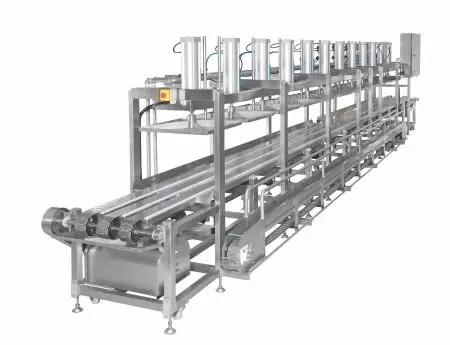
Continuous Tofu Pressing Machine
After the tofu molds are stacked and transported to the tofu press station, the conveyor belt of the tofu press is synchronized and the tofu molds are automatically...
Details Add to cart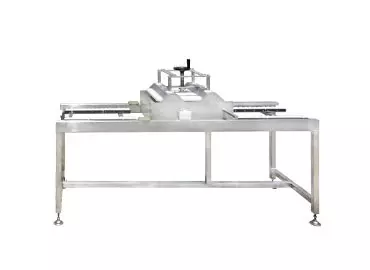
Tofu Mold Turning Machine
Pressed tofu mold can only be cut after removing the mold and cloth. The machine is manually operated, it is using the principle of lever to reduce the weight...
Details Add to cart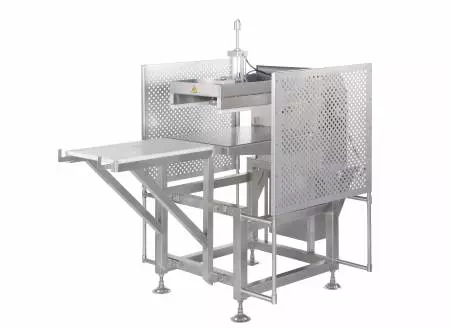
semi Auto.Tofu Mold Turning Machine
Pressed tofu mold can only be cut after removing the mold and cloth. The operator pushes the tofu mold into the tofu mold turning box to the end, presses...
Details Add to cart
 Download
 How One North American Entrepreneur Built a Tofu Brand with YSL | CE Certified Tofu Product Line, Soybean Soak & Wash Tank, Grinding & Cooking Machine Manufacturer | Yung Soon Lih Food Machine Co., Ltd.
Based in Taiwan since 1989, Yung Soon Lih Food Machine Co., Ltd. has been a food manufacturing machine manufacturer that is specilized in soy bean, soy milk and tofu making sectors. Unique design soy milk and tofu production lines built with ISO and CE certifications, sold in 40 countries with solid reputation.
Yung Soon Lih has more than 30 years of food machinery manufacturing and technical experience, professional production: Tofu Machine, Soy Milk Machine, Alfalfa Sprouts Germination Equipment, Grinding Machine, etc.