
What Is Causing Labor Shortage in Tofu Factories in 2025–2026? | Yung Soon Lih Food Machine News and Events | Yung Soon Lih Food Machine Co., Ltd.
Yung Soon Lih Food Machine What Is Causing Labor Shortage in Tofu Factories in 2025–2026?. EVERSOON, a brand of Yung Soon Lih Food Machine Co., Ltd., is a leader of Soy Milk and Tofu Machines. Being a guardian of food safety, we share our core technology and professional experience of Tofu production to our worldwide customers. Let us be your important and powerful partner to witness your business growth and success.. We are the first food machine manufacturer whom developed the European Tofu turn-key production line, which can produce Asian Tofu, and Soy Milk processing equipment. Our tofu production machines are specially design and able to produce Tofu Burger, Vegetable Tofu, Smoked Tofu, Tofu Sausage to satisfy consumers' demand from the American and European market.
What Is Causing Labor Shortage in Tofu Factories in 2025–2026?
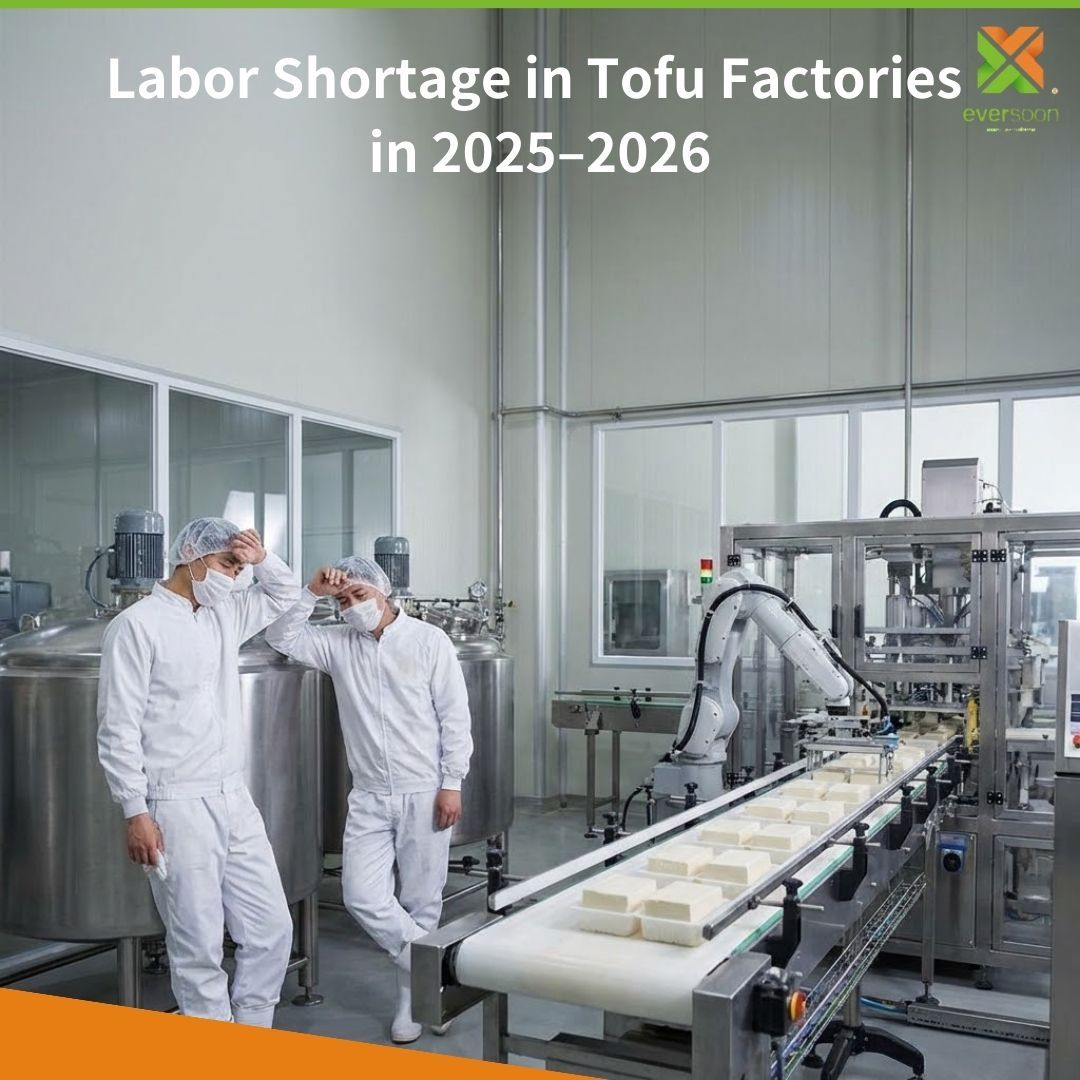
Poor working environment: The working environment in tofu factories is often humid and stuffy, and requires long hours of standing work, which makes the work more intense.
1. Humid and stuffy: Tofu factories require a lot of water in the production process, so the air humidity is relatively high. In addition, the production equipment in tofu factories tends to generate a lot of heat, which leads to a high temperature in the working environment.
2. High work intensity: The production process in tofu factories is cumbersome and requires a lot of manual labor. In addition, the production lines in tofu factories are often continuous, so workers need to stand for long periods of time.
3. Possible safety hazards: Tofu factories need to operate equipment during the production process, such as mixing and breaking tofu/tofu presses by machine and so on, which are dangerous for workers' safety.
The following is a suggestion for improvement:
>Tofu factories can introduce automated production equipment to reduce the workload of employees, firstly, to improve the cleanliness of the environment, secondly, to improve the shortage of manpower, thirdly, to stabilize the quality of tofu products.
What Is Causing Labor Shortage in Tofu Factories in 2025–2026?
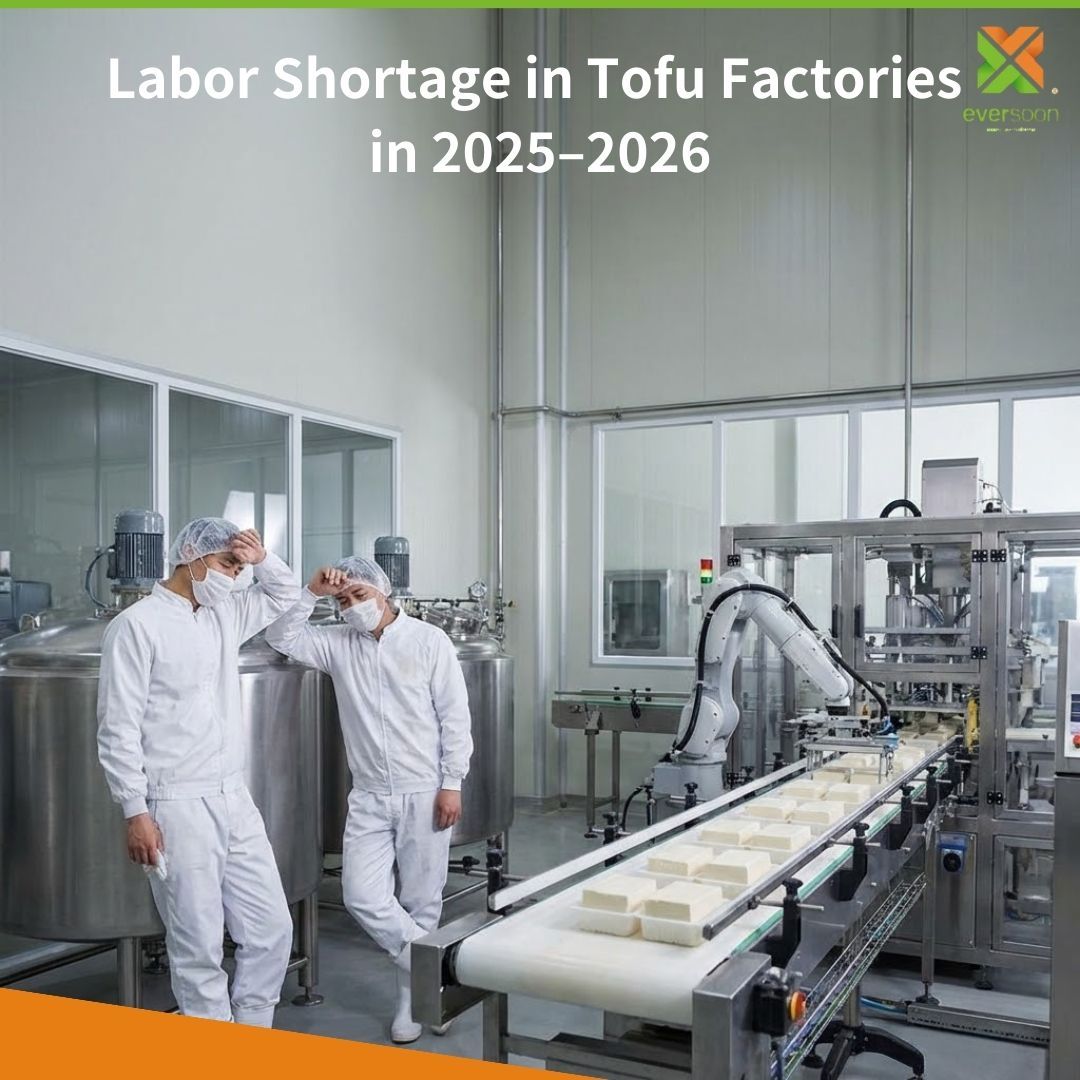
Labor shortage has become one of the most critical operational challenges for tofu factories worldwide in 2025–2026. While workforce shortages affect many manufacturing sectors, tofu factories face unique pressures due to their production environment, labor structure, and rising compliance requirements.
◆ Structural Labor Shortage in Tofu Factories
In recent years, tofu factories have been impacted by aging workforces, declining interest in manual manufacturing jobs, and stricter labor regulations. Younger workers are increasingly reluctant to enter factory roles that involve repetitive tasks, humid conditions, and limited career progression. As a result, labor shortage in tofu factories is no longer a temporary issue, but a structural one.
◆ Challenging Working Conditions Remain a Key Factor
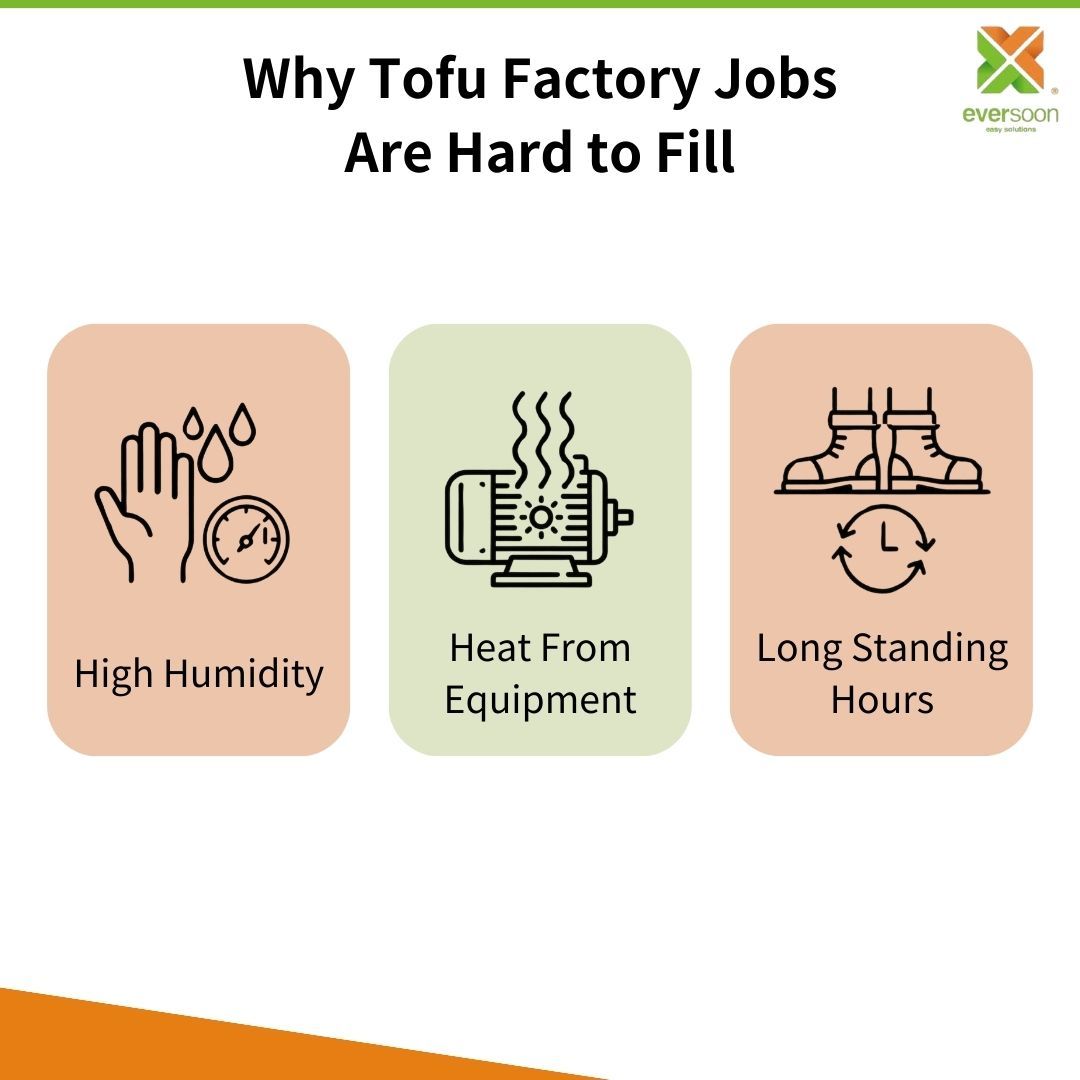
A typical tofu factory operates in a high-humidity environment due to water-intensive processes such as soaking, grinding, and pressing soybeans. Combined with heat generated by continuous production equipment, these conditions create a physically demanding workplace. Long hours of standing work further increase fatigue and turnover, making recruitment and retention increasingly difficult.
◆ Rising Safety and Compliance Pressures
From 2025 onward, food manufacturers are facing higher expectations regarding workplace safety, hygiene, and labor protection. Traditional tofu production methods involve operating mixers, grinders, and presses in wet environments, increasing accident risks. These safety concerns further discourage potential workers and intensify labor shortages in tofu factories.
◆ Automation as a Strategic Response to Labor Shortage

To address labor shortage challenges, more tofu factories are accelerating the adoption of automated production systems. Automated tofu production lines reduce dependency on manual labor, improve workplace safety, and create a cleaner, more controlled production environment. In addition, automation helps stabilize product quality and supports compliance with food safety standards.
For tofu factories in 2025–2026, automation is no longer only about efficiency—it is a strategic investment to ensure operational continuity amid ongoing labor shortages.
Hot articles

2020-2024 Health benefits of tofu will increase market demand
When is the best time to drink soy milk? 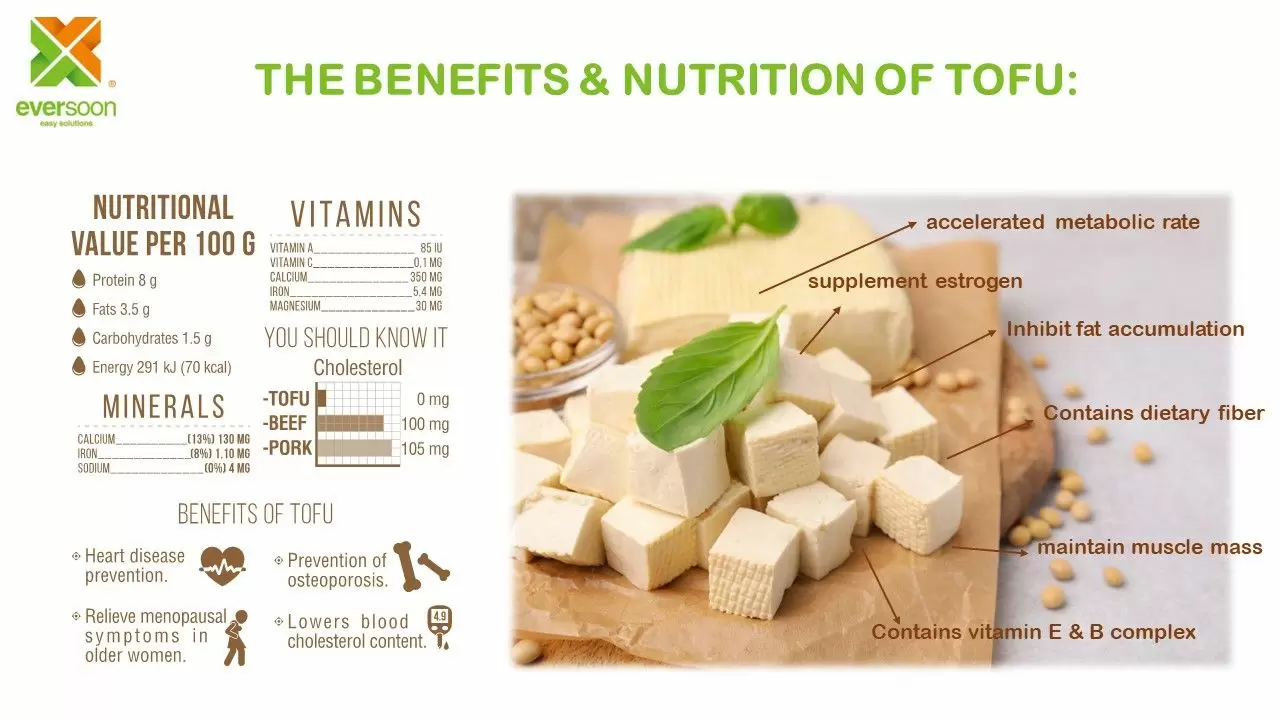
Benefits And Nutrition Of Tofu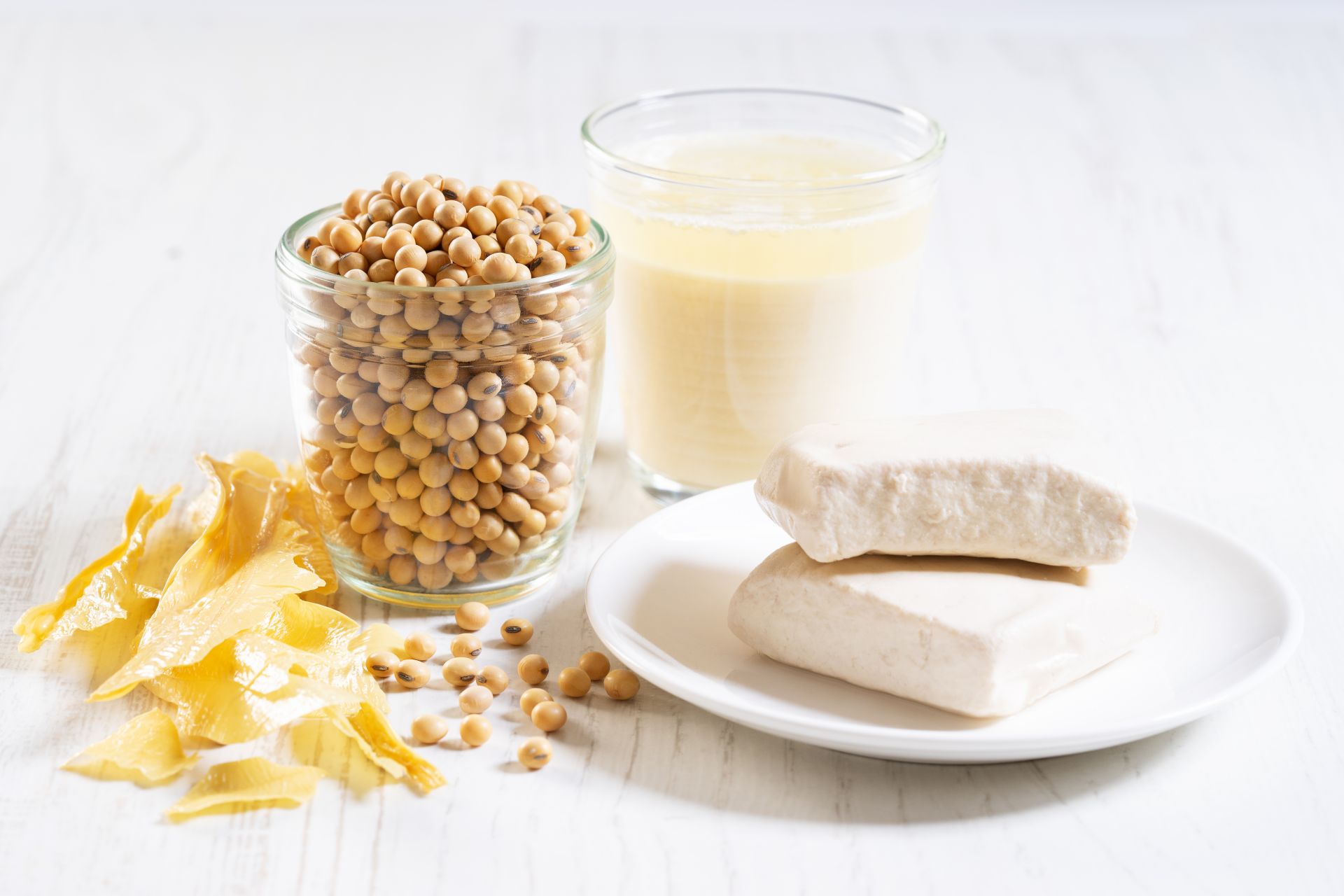
Canada Food Guide Changes: More Veg, Less Meat, And No More Eating Alone
- Related Products

Automatic Tofu Cutting Equipment
Tofu Automatic Cutting Machine adopts three sections to detect the whole slab of tofu which is automatically introduced, the first section detects and cuts...
Details Add to cart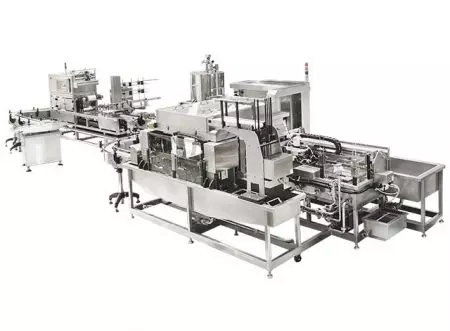
Automatic Cutting Equipment for Tofu in Water
After the operator pushes the unmolded tofu plate into the automatic cutting machine in tofu water, the machine is equipped with a conveyor belt that automatically...
Details Add to cart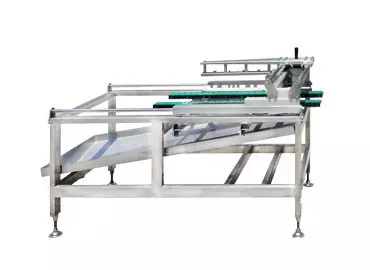
Tofu Manual Cutting Equipment
In the early days, tofu manufacturers or tofu workshops used to cut tofu with a kitchen knife, which not only tested the master's knife skills over the years,...
Details Add to cart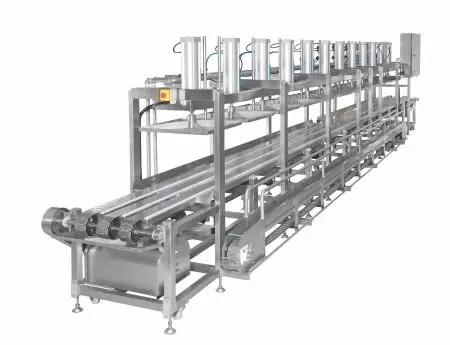
Continuous Tofu Pressing Machine
After the tofu molds are stacked and transported to the tofu press station, the conveyor belt of the tofu press is synchronized and the tofu molds are automatically...
Details Add to cart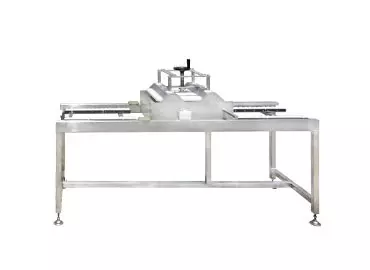
Tofu Mold Turning Machine
Pressed tofu mold can only be cut after removing the mold and cloth. The machine is manually operated, it is using the principle of lever to reduce the weight...
Details Add to cart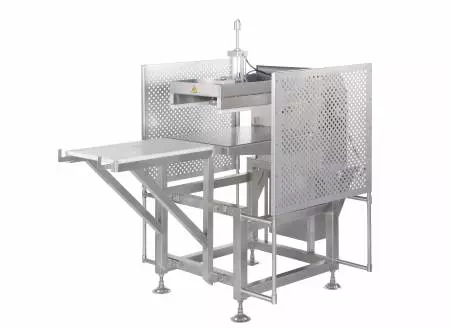
semi Auto.Tofu Mold Turning Machine
Pressed tofu mold can only be cut after removing the mold and cloth. The operator pushes the tofu mold into the tofu mold turning box to the end, presses...
Details Add to cart
 Download
 What Is Causing Labor Shortage in Tofu Factories in 2025–2026? | CE Certified Tofu Product Line, Soybean Soak & Wash Tank, Grinding & Cooking Machine Manufacturer | Yung Soon Lih Food Machine Co., Ltd.
Based in Taiwan since 1989, Yung Soon Lih Food Machine Co., Ltd. has been a food manufacturing machine manufacturer that is specilized in soy bean, soy milk and tofu making sectors. Unique design soy milk and tofu production lines built with ISO and CE certifications, sold in 40 countries with solid reputation.
Yung Soon Lih has more than 30 years of food machinery manufacturing and technical experience, professional production: Tofu Machine, Soy Milk Machine, Alfalfa Sprouts Germination Equipment, Grinding Machine, etc.