
Join YSLFOOD | Yung Soon Lih Food Machine News and Events | Yung Soon Lih Food Machine Co., Ltd.
Yung Soon Lih Food Machine Join YSLFOOD. EVERSOON, a brand of Yung Soon Lih Food Machine Co., Ltd., is a leader of Soy Milk and Tofu Machines. Being a guardian of food safety, we share our core technology and professional experience of Tofu production to our worldwide customers. Let us be your important and powerful partner to witness your business growth and success.. We are the first food machine manufacturer whom developed the European Tofu turn-key production line, which can produce Asian Tofu, and Soy Milk processing equipment. Our tofu production machines are specially design and able to produce Tofu Burger, Vegetable Tofu, Smoked Tofu, Tofu Sausage to satisfy consumers' demand from the American and European market.
Join YSLFOOD
Introduction
The machine price is easy to see. Other costs are easier to miss. Site preparation, labour, soybeans, cold storage, packaging and daily operations all add to a tofu production budget.
H2: What Affects Tofu Production Cost?
The same firm tofu can have very different costs depending on how it is sold. A small shop making fresh tofu for direct sale may spend more on retail space and labour, while commercial tofu production for restaurant supply shifts more of the budget towards production capacity, cold storage and delivery.
Firm and silken tofu use different forming, pressing and packing steps, so their equipment needs differ.
H2: 5 Expenses to Plan for Tofu Production
H3: 1. Tofu Production Equipment
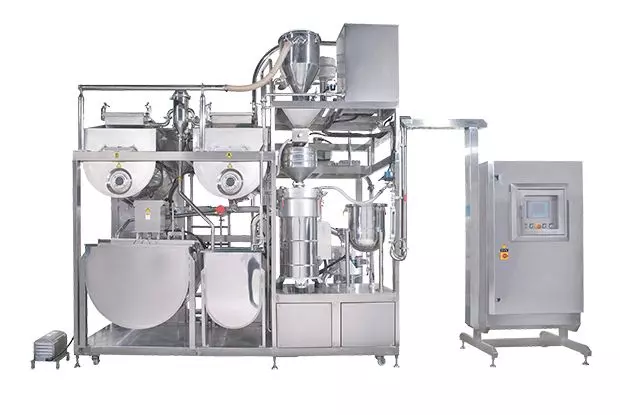
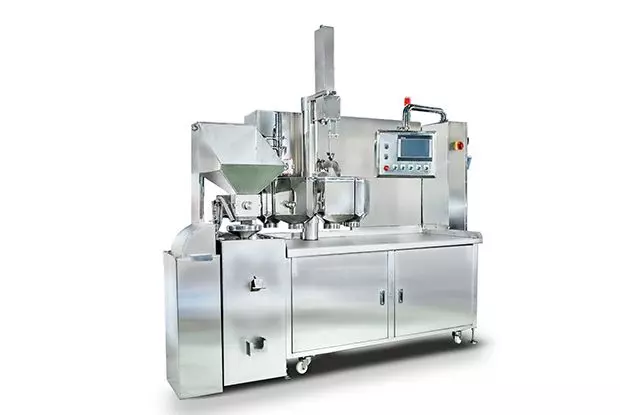
Small-scale tofu production often uses separate equipment for grinding, soy milk cooking and pressing. As output increases, more steps can be linked into a tofu production line.
Machines need enough space for installation, cleaning and maintenance. The FAO guide outlines the main steps in tofu production.
H3: 2. Production Space and Facility Costs
A cheap lease can become expensive if the site needs drainage, electrical or cold-storage upgrades for tofu manufacturing.
In the EU, food production sites also need to meet basic hygiene requirements. For EU sites, the European Commission’s food hygiene guidance and the Codex General Principles of Food Hygiene provide the main reference points for hygiene planning.
H3: 3. Labour Costs
Tofu production takes more than machine operators. Ingredient preparation, moving materials, packing and cleaning all take staff time.
Automation can reduce repetitive work, but loading equipment, monitoring production and checking quality still need people.
H3: 4. Soybeans and Ingredient Costs
Two soybean lots with the same price per kilogram can produce different amounts of tofu because protein content, water absorption and processing performance vary. Coagulants and other ingredients add to the raw-material cost.
H3: 5. Utilities, Packaging and Operating Costs
Cooking, cooling and refrigeration use energy every production day, while packing, cleaning and delivery add further operating costs.
H2: How Do Tofu Production Costs Change by Business Size?
H3: Small Tofu Shop
A small tofu shop usually works in smaller batches and sells directly to local customers. Most spending goes towards basic tofu production equipment, shop or production space, and cold storage.
H3: Medium-Sized Tofu Workshop
A medium-sized workshop often uses semi-automatic equipment, with more dedicated space and staff than a small shop.
H3: Central Kitchen
A central kitchen brings production into one site and supplies several outlets or business customers. Cold storage, packing, delivery and food-safety management take a larger share of the budget. At higher volumes, the setup moves closer to industrial tofu production, with integrated tofu production lines and more specialised staff.
Planning Reference: Dry Soybean Input Capacity per Hour
These figures refer to dry soybean input capacity, not finished tofu output. These are planning examples, not industry-standard categories. Finished output varies with tofu type, yield and equipment design. |
H2: How Do Tofu Yield and Soybean Use Affect Cost?
A 2025 German study compared 188 soybean genotypes. Under the same standardised laboratory process, tofu yield ranged from 1.74 to 2.16, and yield was negatively correlated with hardness (r = -0.65). In this study, higher-yield tofu tended to be softer. These are research values, not factory targets.
For production records, the soybean to tofu ratio can be tracked as:
Soybean to tofu ratio = Finished tofu weight ÷ Dry soybean weight
Further reading: Soybean to Tofu Ratio Low? Check These 3 Production Losses
H2: How Is the Break-Even Point Calculated?
The break-even point shows how much tofu needs to be sold in a month for revenue to cover costs. Rent and equipment finance are fixed costs, while soybeans, coagulants, packaging and energy change with production volume.
Break-even quantity = Fixed costs ÷ (Selling price per unit - Variable cost per unit)
For example:
Monthly fixed costs: €8,000
Selling price per pack: €2.20
Variable cost per pack: €1.20
Amount available to cover fixed costs per pack: €1.00
Break-even point: 8,000 packs per month
If tofu is sold by weight, the same calculation can use the selling price and variable cost per kilogram instead.
H2: How Should Cash Flow Be Planned for Tofu Production?
Restaurants or retailers may pay weeks after delivery, while operating bills continue to fall due. Working capital covers the gap until customer payments arrive.
H2: How Long Does It Take to Recover the Investment?
The payback period is the time needed for the business to earn back the initial investment.
Payback period = Initial investment ÷ Annual net cash flow
There is no fixed payback period for a tofu business. Machine capacity and actual sales are two different things. Using expected sales volume gives a more realistic estimate than calculating from the machine’s maximum output.
H2: Frequently Asked Questions About Tofu Production Costs
H3: How Much Tofu Can 1 kg of Soybeans Make?
1 kg of soybeans does not produce a fixed weight of tofu. Tofu type, moisture, coagulation and pressing change the final weight. A useful comparison uses the same product and production conditions.
H3: What Is the Difference Between Handmade and Factory-Made Tofu?
Handmade tofu usually has higher labour costs, while factory-made tofu shifts more spending towards equipment and automation. Quality still depends on soybean specifications, process control, hygiene and target texture.
H3: Can Tofu Production Costs Be Compared Across Countries?
A single total cost can be misleading. Labour, energy, premises and food regulations vary by country, so two tofu factories of a similar size can have very different cost structures. Cost per kilogram of finished tofu gives a clearer basis for comparing production costs across countries.
H2: More Tofu Production Resources
For more on yield and production planning, see the soybean-to-tofu ratio guide. The Tofu Encyclopedia covers ingredients, production basics and common tofu types, while the Tofu Research Lab explores processing and technical topics in more detail. Browse more practical guides on TofuWorld.
Disclaimer
This article provides general information for tofu production planning. Equipment capacity, yield, costs, food-safety requirements and financial results vary by product, supplier, site and country. Equipment quotations, local regulations and production data should be checked before making an investment decision.
 Download
Join YSLFOOD | CE Certified Tofu Product Line, Soybean Soak & Wash Tank, Grinding & Cooking Machine Manufacturer | Yung Soon Lih Food Machine Co., Ltd.
Based in Taiwan since 1989, Yung Soon Lih Food Machine Co., Ltd. has been a food manufacturing machine manufacturer that is specilized in soy bean, soy milk and tofu making sectors. Unique design soy milk and tofu production lines built with ISO and CE certifications, sold in 40 countries with solid reputation.
Yung Soon Lih has more than 30 years of food machinery manufacturing and technical experience, professional production: Tofu Machine, Soy Milk Machine, Alfalfa Sprouts Germination Equipment, Grinding Machine, etc.